
Build a collection for the group you have
Start with games your regular group has the people, time and appetite to play. Track what you own and what reaches the table; let those records inform the next addition instead of following a fixed buying quota.
To build a board game collection that gets played, choose for the people and evenings you actually have, then record which boxes make it to the table. There is no evidence-backed number of games to own or number of plays you must log before buying another.
Define the group before the wishlist
Write down your usual player count, the time you can set aside and how much explanation the group wants before play. A game for a six-person party solves a different problem from one for two people on a weeknight. If both occasions happen in your life, both can belong on the shortlist; if one exists only as a hopeful invitation, mark it as such.
The Spiel des Jahres jury says even its idea of the best game depends on the players, their experience and the time available. Its published criteria also ask whether rules are clear and complete. Those are useful questions to bring to a purchase decision, though an award cannot tell you how your own group will respond.
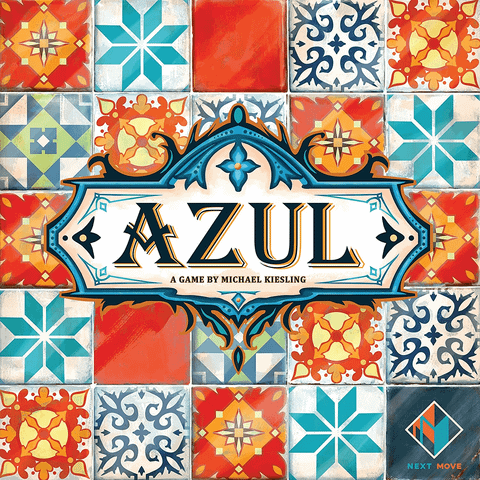
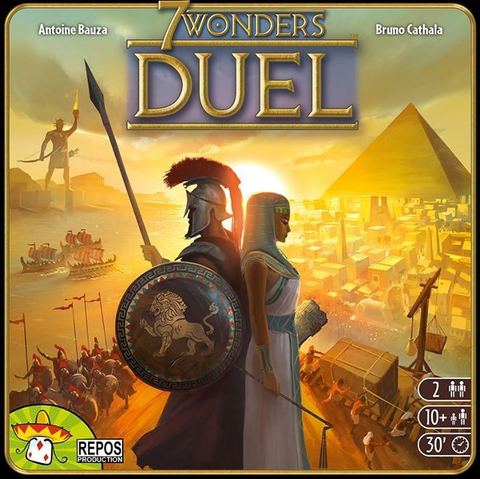
Use the gateway guide to narrow by group rather than treating “gateway” as one game type. For concrete catalogue records to compare, inspect Codenames, Azul and 7 Wonders Duel. They are starting points for checking the recorded player range and time against your circumstances, not a set everyone should buy. If your usual group changes, revisit the shortlist before adding another box.
Make owned and played two different facts
Add your existing games to your collection as owned. Mark a game played when you have played it, including one you tried without owning it; keep wanted for games you are still considering. The Almanac places owned games on an arrangeable Kallax-style shelf and lets you sort them by your order, colour, genre, box size or title. Your game records and personal order sync between web and iOS; exact web cube placement is stored in that browser.
The collection profile can show the share of owned games marked played and a most-played game when you log plays. Its table-time figure is an estimate based on recorded game durations and play counts, not a timer of your sessions. Some catalogue fields are missing, and the shelf cannot explain why a game has not been played. Your personalised collection stays out of search results. The tracking guide explains each list, sort and statistic in more detail.
Once you have a few entries, ask what the gap between owned and played means for you. Perhaps the box needs a larger group, a longer evening or someone willing to learn the rules. Perhaps you bought it to collect. Research reviewing 51 studies of collecting identifies several motivations, including collecting goals and social membership; it does not measure the ideal size or play rate of a board-game collection. An unplayed count is a prompt for a question, not a diagnosis.
Decide what the next box adds
Before buying, compare the candidate with what you already own:
- Occasion: Can your actual group meet its player count and time needs?
- Difference: Does it offer an experience your current boxes do not cover, or are you happy to own two options for the same evening?
- Chance to play: Is there a plausible occasion soon, or is this a longer-term collecting choice?
- Space: Will its recorded box dimensions work in the shelf you have? The Kallax guide explains why a visual cube is only a planning check.
One small-collection hobbyist describes selecting games for solo play, reconsidering overlapping purchases and letting some games go. That is one person’s method, not evidence that larger collections get played less often or that everyone should follow a one-in, one-out rule. If collecting the object is part of the pleasure, the answer to “what does this add?” can honestly be “I want this box.”
There is no compulsory first purchase, fixed starter size or three-to-five-play threshold. Start with a shortlist that fits a real occasion, use the catalogue to check each candidate’s recorded facts, and let your own played and owned records show where the next decision needs more thought.
The games
Every entry links to its full catalogue record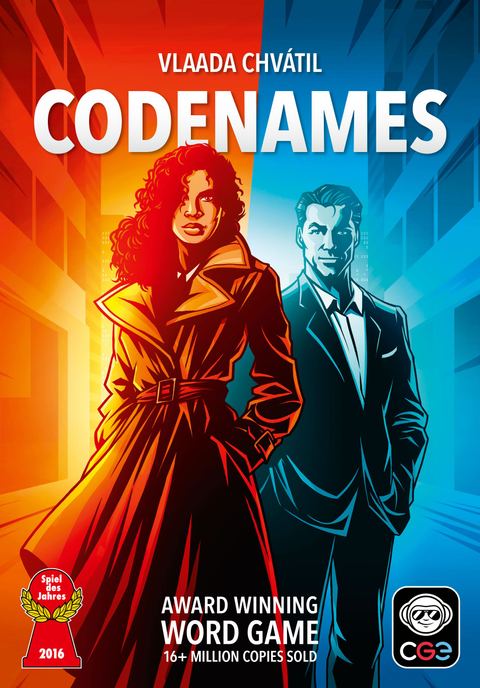
How do I start a board game collection that gets played?
Choose games around your actual group, track owned and played titles on a visual shelf, and use the gaps you find to decide what belongs in your collection.
Open your collectionResearch sources
Accessed and checked individuallyAccessed 9 October 2026
Review of 51 studies across collecting categories; identifies several motivations, including collecting goals and social membership. It does not establish how often board-game owners play or an ideal collection size.
- Community discussionMeepleIt: Having a Small Board Game Collection
Accessed 9 October 2026
One hobbyist's account of selecting for solo play, reconsidering overlapping purchases and selling games. It illustrates a possible approach, not a representative play-frequency finding.
Accessed 9 October 2026
The jury says a game's fit depends on player number, experience and available time; it also describes clarity and completeness of rules among its evaluation criteria. These are selection prompts, not a buying rule for every group.
More guides
- Buying guideBoard games past the gateway stageSix board games for groups that have enjoyed Ticket to Ride or Catan and want more strategic depth. Player counts, teach times, and fit notes for each.
- ReviewsBlood Rage, according to the people who played itFive reviewers praise Blood Rage's miniatures and card-driven combat, but split on expansion pricing, a figurine design, and whether one card distorts the game.
- Table cultureThe rule you have been getting wrongHow common rule errors stay hidden in popular games, why they rarely surface until someone checks, and what to do when you find one mid-session.