
Gateway board games by group
The right gateway game depends on the people at the table, not a chart. Here are concrete picks for five group situations, with the reasoning shown for each.
“Gateway” describes a game that opens the hobby to people who do not yet have one. What that requires varies significantly by table.
The Spiel des Jahres jury — which has evaluated games for general and family audiences since 1979 — assesses candidates on rules clarity, broad accessibility, innovation and component quality. Jury members play with both casual players and experienced ones to check that a game works across experience levels. That is a useful standard: a gateway game should function at both ends, not just at the end the person buying it represents.
Research on hobby boardgaming identifies sociality, intellectual challenge, variety and materiality as distinct motivations. They do not appear equally in every group, which is why a gateway for a competitive couple is not the same gateway as one for a large, informal social gathering, even if either title would do technically fine at both.
For a family with mixed ages
Ticket to Ride’s enduring usefulness as a family gateway comes from its legible objective: claim railway routes across a map before someone else does. Players collect sets of coloured cards and spend them to place train pieces on routes. The theme is immediately readable without any prior game experience. There is real competition — someone will block the route you needed — but the structure is forgiving: even a player who has fallen behind keeps drawing cards and taking turns, so no one is eliminated or left watching. The publisher states 30–60 minutes and the game plays 2–5.
Cascadia is lighter and better for tables with younger players. Each turn, a player picks one terrain tile and one wildlife token and places both. Scoring depends on fitting animals to their preferred habitat conditions, but there is no mechanism for players to interfere with each other’s arrangements. The publisher lists it for ages 10 and up and approximately 30–45 minutes. The absence of direct conflict removes the social tension that can unravel a family game night before the second player’s second turn.
For two adults
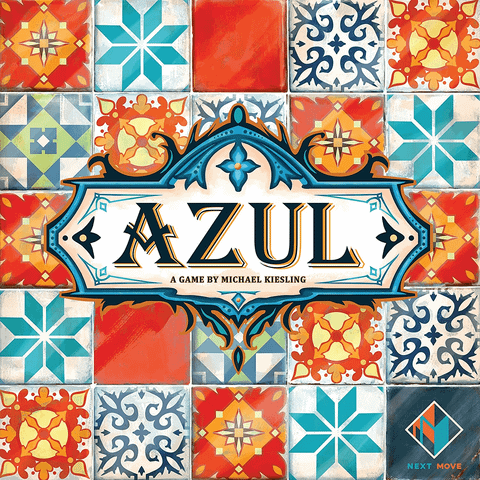
Azul is a strong two-player gateway. Both players draft coloured tiles from shared factories and add them to individual walls. Taking what you need also determines what your opponent receives, so the game has genuine competitive tension without anyone feeling personally targeted. The teach is short and the game completes in well under an hour. It plays 2–4, though two is the sharpest version.
Sky Team is exclusively for two players and entirely cooperative. Both players are cockpit crew working to land an aircraft. Their dice placements happen simultaneously and in silence — conversation is restricted — so the tension comes from guessing what your partner is about to do. The game won the 2024 Spiel des Jahres, which the jury awards to the most accessible and broadly appealing family game of the year. At 15–20 minutes per flight, it is easy to play twice in an evening when the first landing goes badly.
For a social group of four or more
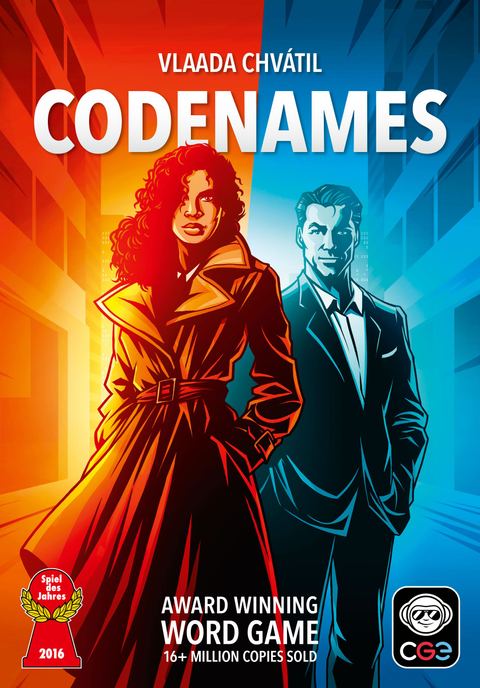
Codenames requires four players and rewards groups who read each other well. One player from each team gives one-word clues to identify hidden agents from a grid of word cards. The best clue links several words simultaneously without steering the team toward the assassin card. The teach takes under three minutes; the game rewards knowing how your teammates think. It plays up to twelve.
Just One is cooperative and plays up to seven. Each player secretly writes a one-word hint for a mystery word; duplicate hints are cancelled before the guesser sees them. Knowing your group well enough to avoid the obvious hint is the skill, and the cancellation rule is also what generates most of the game’s comedy. It suits groups where competition creates friction: everyone is on the same side, the losing condition is gentle, and the game recovers immediately.
For a conflict-averse group
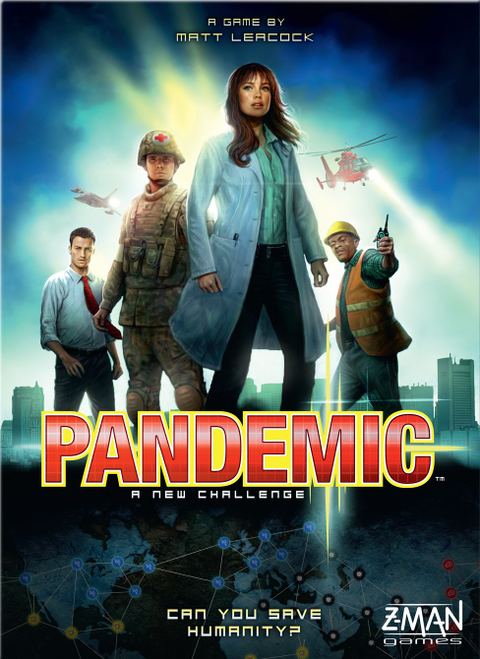
Pandemic puts all players on the same side against a disease outbreak spreading across the world. Either everyone wins or the game wins. The cooperative structure suits groups who genuinely dislike competitive scoring. The only source of friction between players is disagreement about strategy, which is a different kind of conflict and easier to manage at a table than head-to-head scoring. It plays 2–4 and the publisher states approximately 45 minutes.
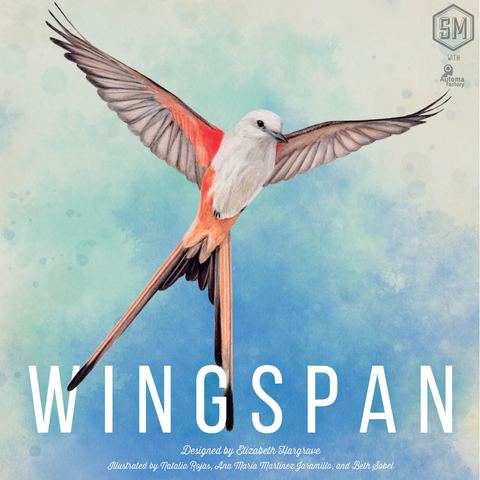
Wingspan adds birds to three habitats and builds an engine through the connections that form as the habitats fill. Players interact mainly through shared bird and food supplies; there is no mechanism for direct interference with another player’s board. Research on boardgaming motivations identifies the pleasure of accumulation and material variety as distinct draws; Wingspan provides both without requiring anyone to lose anything.
For a group ready for one notch more
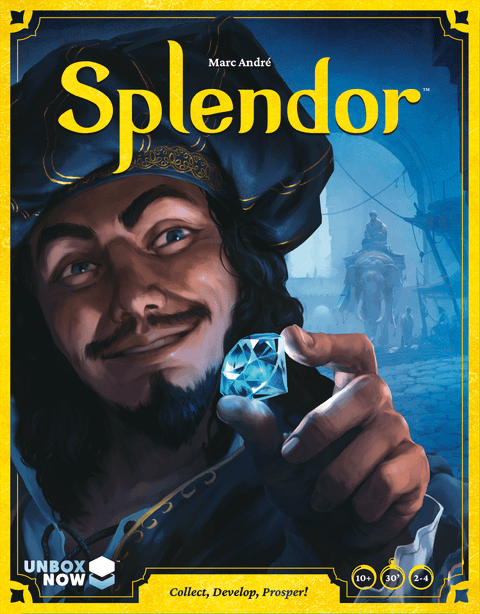
Splendor introduces resource-engine building cleanly: take gems, spend gems to buy development cards, buy cards that produce permanent gems. The teach is five to ten minutes and the loop is intuitive. It functions as a bridge between gateway games and titles that require tracking a growing engine across multiple resource types. It plays 2–4.
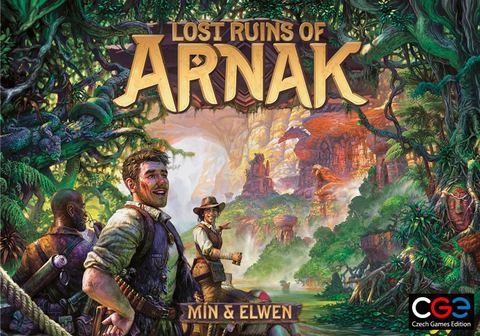
Lost Ruins of Arnak combines deckbuilding with worker placement. Players explore an island, uncover artefacts and improve their deck to take better actions in future rounds. The two mechanisms are each simple enough to explain separately, and how they interact reveals itself through play rather than in the rules explanation. It plays 1–4 and works as a next step for groups who found Ticket to Ride or Pandemic engaging and want something more involved.
The check that matters
The Spiel des Jahres jury describes accessible games as “organic and well-rounded” rather than “artificial and contrived.” Practically, that means the mechanism and the theme should feel like they belong together, and the teach should not require a video that outlasts everyone’s appetite for the evening.
A group that plays again without being asked to has found its gateway.
After the first session
Once a game earns a second play, it is worth tracking. The Board Game Almanac collection tracker adds it to a visual Kallax shelf alongside everything else you own, have played or are watching to buy — useful for comparing what to get next or knowing what you have at home when someone asks.
A first session with any gateway game will produce at least one rules question the teach did not cover. How the table handles it — rulebook, improvised house rule, or a quick lookup — shapes more of the evening than the ruling itself. The options and their tradeoffs are worth agreeing on before setup rather than negotiating mid-dispute.
The games
Every entry links to its full catalogue record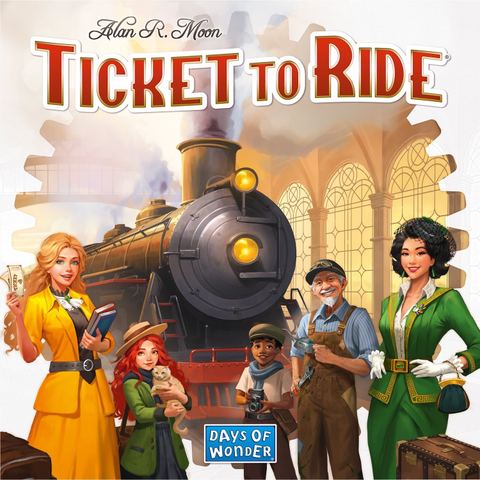



What board game should I get for my group?
Choose a gateway game that fits your table. Picks for families, couples, social groups, conflict-averse players and those ready for more.
Search the full catalogueResearch sources
Accessed and checked individuallyAccessed 23 August 2026
The jury evaluates games on rules clarity, accessibility, innovation, engagement and component quality, and plays with both casual and experienced players to test breadth of appeal.
Accessed 23 August 2026
Research on hobby boardgaming identifies sociality, intellectual challenge, variety and materiality as distinct motivations; different groups weight these differently, which is why one gateway game does not suit all tables.
Accessed 23 August 2026
The review consolidates 51 studies on collecting and play motivations; entry into a hobby varies by group temperament and social context, which is reflected in which game first holds a group's attention.
More guides
- Buying guideBoard games past the gateway stageSix board games for groups that have enjoyed Ticket to Ride or Catan and want more strategic depth. Player counts, teach times, and fit notes for each.
- ReviewsBlood Rage, according to the people who played itFive reviewers praise Blood Rage's miniatures and card-driven combat, but split on expansion pricing, a figurine design, and whether one card distorts the game.
- Table cultureThe rule you have been getting wrongHow common rule errors stay hidden in popular games, why they rarely surface until someone checks, and what to do when you find one mid-session.