
Board games past the gateway stage
Gateway games are designed to be explained in a few minutes. The next category takes fifteen to twenty minutes to teach, rewards a second play more than the first, and gives every player more decisions per round. These six earn that time.
Once a group can set up Ticket to Ride from memory and Pandemic stops generating surprises, the next question is where to go. The answer is not to immediately commit to a five-hour strategy game designed for dedicated hobby gamers. There is a distinct middle bracket: games with meaningful strategic choices, usually fifteen to twenty minutes to explain, that reward a second and third play without needing the rulebook within reach for the whole session.
The Spiel des Jahres jury recognised this gap formally in 2011 when they created the Kennerspiel des Jahres — the Connoisseur’s Game of the Year — for games more demanding than the main award’s accessibility standard but not so complex that they require a specialist audience. Kennerspiel winners and nominees are a reliable starting point.
Quick to learn, interesting to replay
The Crew: The Quest for Planet Nine is cooperative trick-taking for two to five players. If anyone at the table knows a card game, the core mechanic — playing cards in suits, highest card takes the trick — needs no explanation. The cooperative layer sits on top of it: players receive mission cards that specify who needs to win which particular trick. The rules restrict communication, so coordinating without talking directly is the puzzle. KOSMOS, the publisher, states roughly twenty minutes per mission, and the game won the 2020 Kennerspiel des Jahres. The learning investment is low; the strategic interest scales as mission difficulty increases across a campaign of thirty missions.
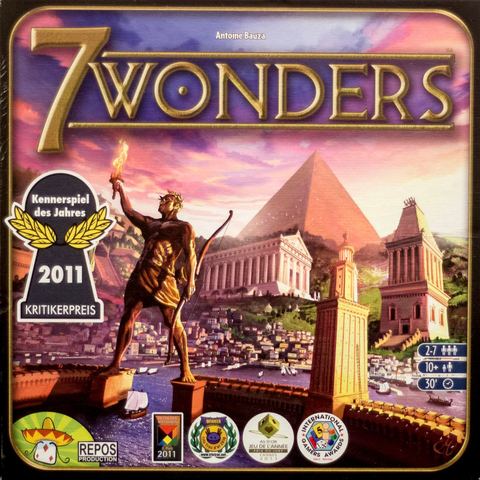
7 Wonders plays two to seven players simultaneously. Every player holds a hand of cards, chooses one, passes the rest, and all selections are revealed at the same time. Because turns happen in parallel, the game takes about thirty minutes regardless of player count. Three separate paths to victory — military, scientific, and point accumulation — create genuine decisions each round without requiring anyone to track what is happening on the other side of the table. The game won the 2011 Spiel des Jahres and its Kennerspiel variant at the same time, a recognition of its accessible surface alongside real strategic depth.
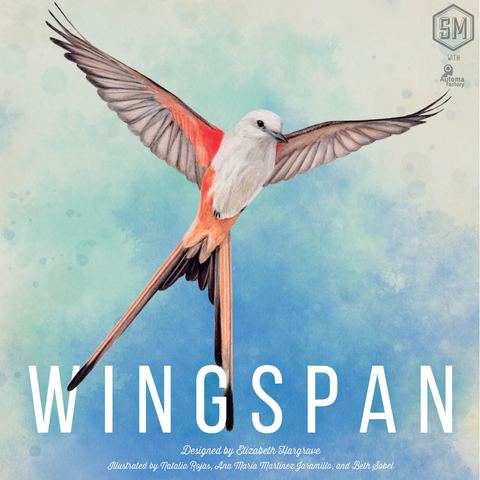
Wingspan builds an engine of bird cards. Players draft birds into three habitat rows, each of which produces resources or actions that feed subsequent turns. The card effects interact and create chain reactions that become more visible on second and third plays than on the first. Stonemaier Games states forty to seventy minutes for one to five players. Wingspan won the 2019 Kennerspiel des Jahres; the jury noted that its complexity arrives gradually through card text rather than through a demanding upfront rules explanation.
More rules to learn, more decisions per round
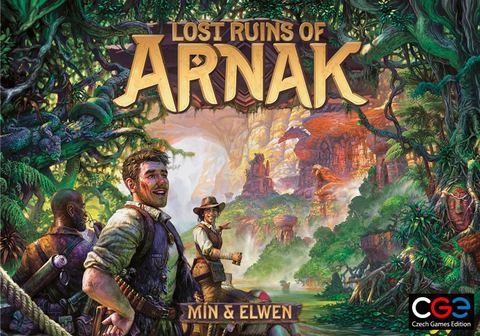
Lost Ruins of Arnak layers exploration, worker placement and deck building into a single game. Players reveal new locations, spend workers and resources to explore them, and strengthen their deck as a resource engine. Czech Games Edition states thirty to one hundred twenty minutes for one to four players, with the actual play time usually closer to sixty to eighty minutes once the group knows the rules. The initial rules explanation takes longer than the three games above, but the three interacting systems stay legible once understood. Arnak was nominated for the 2021 Kennerspiel.
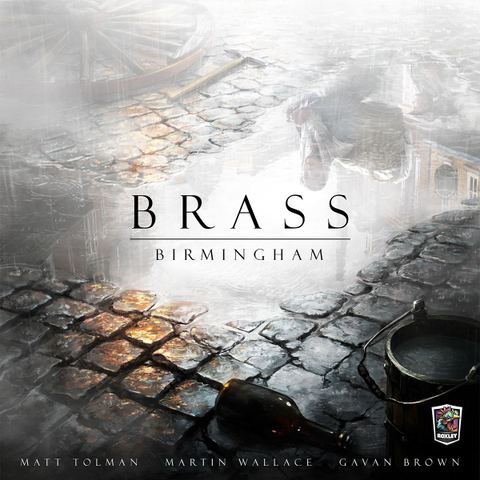
Brass: Birmingham is an economic game set in eighteenth-century industrial England. Players build industries and merchant connections across two eras — the canal era and the rail era — and connections built in the first era are cleared before the second begins. Roxley Games states sixty to one hundred twenty minutes for two to four players. The learning curve is steeper: the network-building rules and two-era structure require careful attention through the first game. It suits groups who enjoyed the economic tension in gateway games and want something with more structural weight behind the decisions.
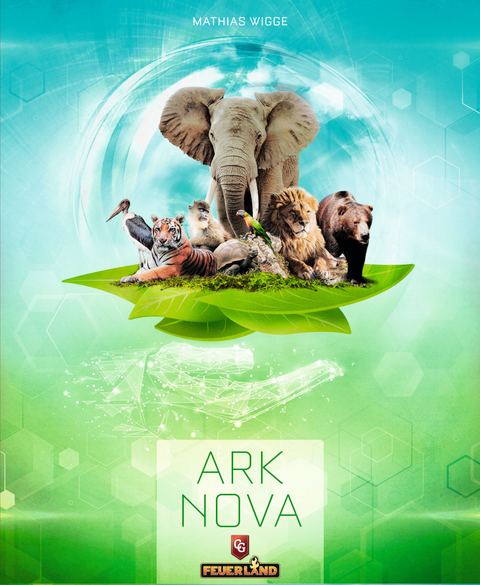
Ark Nova designs a zoo over ninety to one hundred fifty minutes for one to four players. Capstone Games and Feuerland Spiele’s design uses a card-action system where the strength of each action depends on its position in a personal row that shifts throughout the game — a mechanism that takes a full game to internalise before it can be optimised. Ark Nova is a longer commitment than the others listed here, but the complexity is contained within one system rather than spread across multiple rule modules. The game was nominated for the 2022 Kennerspiel.
What to check before choosing one
The games above cover a range of complexity and time. The Crew and 7 Wonders can follow a gateway game on the same evening without displacing it. Brass: Birmingham and Ark Nova are full-evening commitments that work best when everyone arrives expecting to spend time on rules before play begins.
All of the games above carry active rules questions — setup ambiguities, card-effect interactions and sequence questions are common in first and second plays. If the group wants to resolve those without stopping to read through a rulebook mid-session, Rodney at /rules provides in-session rules help for supported games, starting with a sign-in and a game selection.
The games
Every entry links to its full catalogue record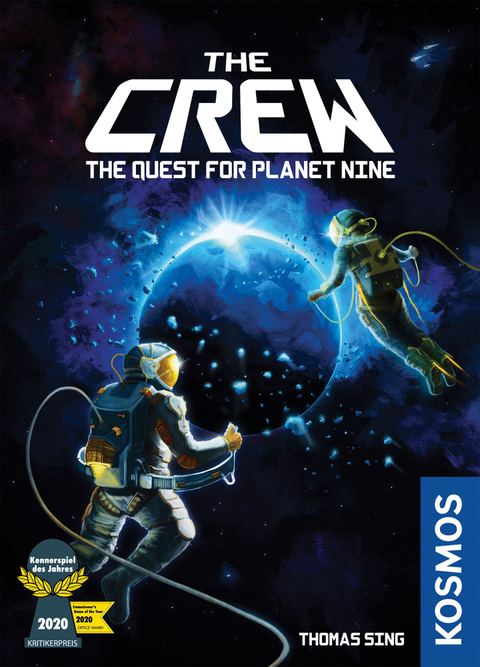
What should we play after Ticket to Ride and Catan?
Six board games for groups that have enjoyed Ticket to Ride or Catan and want more strategic depth. Player counts, teach times, and fit notes for each.
Search the full catalogueResearch sources
Accessed and checked individuallyAccessed 2 October 2026
The jury created the Kennerspiel des Jahres (Connoisseur's Game of the Year) in 2011 specifically for games more demanding than the main award's accessibility-first standard. The criteria describe games with deeper rules complexity that reward players willing to invest more in learning.
- Official sourceSpiel des Jahres: Award winners 2019
Accessed 2 October 2026
Official record that Wingspan (Stonemaier Games) won the 2019 Kennerspiel des Jahres. The jury cited the game's gradual complexity, which arrives through bird card text rather than upfront rule density.
- Official sourceSpiel des Jahres: Award winners 2020
Accessed 2 October 2026
Official record that The Crew — The Quest for Planet Nine (KOSMOS) won the 2020 Kennerspiel des Jahres. Jury cited accessibility for players who know card games combined with meaningful cooperative depth.
More guides
- ReviewsBlood Rage, according to the people who played itFive reviewers praise Blood Rage's miniatures and card-driven combat, but split on expansion pricing, a figurine design, and whether one card distorts the game.
- Table cultureThe rule you have been getting wrongHow common rule errors stay hidden in popular games, why they rarely surface until someone checks, and what to do when you find one mid-session.
- Table cultureGames you will definitely play somedayThe aspirational heavy, the wrong-player-count game, the impulse buy — a taxonomy of unplayed board games and what the ratio tells you.