
The rule you have been getting wrong
Almost every regular game group has at least one rule they have been playing wrong, sometimes for years. The discovery usually arrives mid-session, during a disputed point, and the correct response is less obvious than it sounds.
Almost every regular game group has at least one rule they have been playing wrong, sometimes for years. The discovery usually arrives mid-session, during a disputed point, and the question of what to do about it is less obvious than it appears.
Why rule errors survive
Rulebooks are orientation documents, not quick-reference cards. Research on rulebook design finds that the same document is expected to serve two goals that pull against each other: a first-time sequential read for a player learning the game, and a rapid targeted lookup for a player mid-session. Most rulebooks are built for the first goal. Conditional rules and exceptions appear after the general system they modify, in the order the designer thought to include them.
A misread during the initial teach can therefore persist indefinitely. If the wrong version is plausible — if it produces a coherent game state and never visibly breaks — there is no pressure to recheck it. A rule that collapsed into obvious chaos would be caught quickly. The ones that survive are the ones that feel correct. They fit the game’s general logic well enough that nobody goes back to the source.
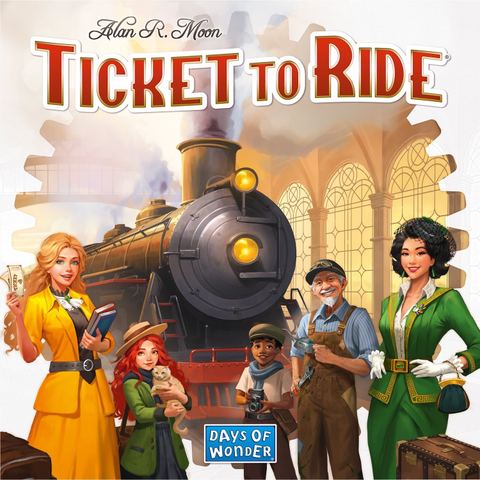
A player-count setup error in Ticket to Ride that gives everyone one extra train car keeps producing a game that feels normal. Nobody wins by an impossible margin. Nobody runs out of components. The error plays out plausibly for ten sessions without ever announcing itself.
What stays wrong the longest
Setup rules applied in the first session, because nobody checks setup rules once the group knows the game. Turn-order rules that produce valid game states regardless of interpretation. Scoring rules that only matter when scores are close — which means the error is invisible when irrelevant and only surfaces when it actually changes the outcome.
Games with large card pools generate new edge cases across every session. Wingspan has over 170 unique bird cards; the specific interactions a group encounters in session one differ from those in session fifteen. The rule error in those games is not a single missed line. It is the accumulated small misreadings of a complex system being encountered for the first time across a hundred distinct card combinations.
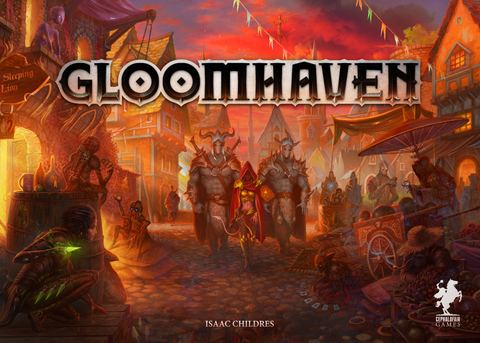
Gloomhaven compounds this further. Class abilities, monster decks, scenario rules and condition effects are described separately in the rulebook. The group builds a working model of the game from those separate descriptions, and the working model is not always what the rulebook says.
The discovery moment
The usual route is someone checking a specific point mid-session and noticing something unrelated while already in the rulebook. Less commonly, a new player arrives who read the rules beforehand and mentions an inconsistency. Occasionally a review or community discussion covers the mechanic and someone recognises their own error.
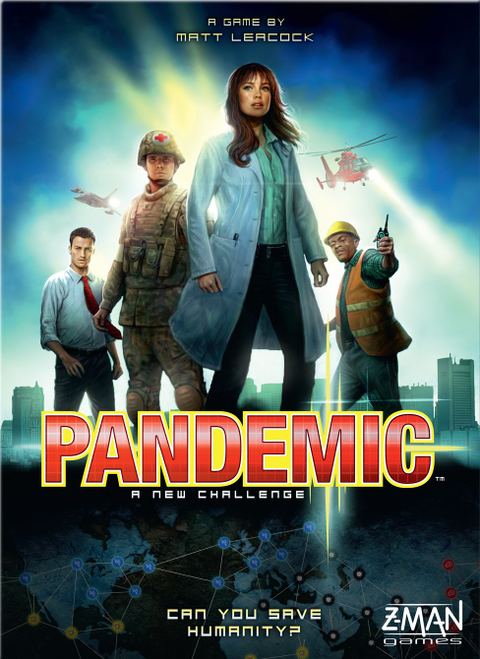
The discovery tends to land while the game is in progress. One or more players have already made decisions based on the incorrect version. Pandemic outbreak chains that have been resolving incorrectly for six sessions have shaped how players approach quarantine and event cards. Correcting the rule now changes what those earlier decisions were actually worth.
Research on social motivation in hobby gaming identifies collaborative enjoyment as a central reason people play. A rules correction delivered badly — as a tactical gotcha, or mid-crisis, or after a tight play — does not feel like accuracy. It feels like a reversal. The person who taught the game often carries the awkwardness, regardless of who misread what.
What to do when you find one
Community discussions of game-night norms describe a recurring principle: corrections should be fair to all players, not deployed as a tactical advantage or applied retroactively to shift a score mid-game. The working expectation is that the correct rule applies from the point of discovery, and that past sessions are played as played.
Three practical questions help:
Is correcting the current game state feasible? A turn-order error discovered in round two may be easy to unwind. A scoring error discovered in the final round, after multiple players have optimised for it, may not be worth reconstructing.
Has anyone made a significant decision based on the incorrect ruling? If a player committed a resource, triggered an ability or changed strategy because the old rule enabled it, they could not have known they were playing a different game. That player’s position should be considered before any mid-session correction.
How much does accuracy matter to this group tonight? A casual session between regulars who have played together for a year tolerates a different standard than a session where players are still learning.
The practical default: acknowledge the error, state the correct rule, agree on what applies from here, complete the session under whichever version produces a fairer result. The outcome tonight is not the point. Playing it correctly from the next session is.
The habit that catches it earlier
The consistent prevention is using a reviewed source during play. Asking Rodney mid-session — “does this ability expire at the end of the round or persist into the next?” — gets an answer from the selected game’s reviewed rulebook, not from the group’s accumulated working model. That catches some misreadings before they become twelve sessions of confident error.
Sign in at /rules, choose the supported game and ask the question when it comes up. The conversation is saved privately so follow-up questions from the same session continue without rebuilding context.
For how to phrase a rules question during a live game and when to fall back on the official source, see what to do when a rules question stops the game.
The games
Every entry links to its full catalogue record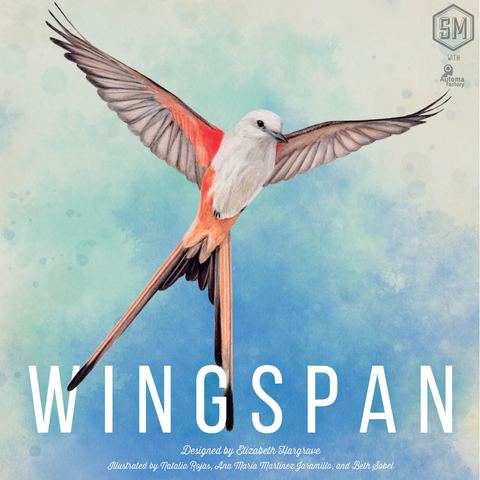
What do you do when you find out you have been playing a game wrong?
How common rule errors stay hidden in popular games, why they rarely surface until someone checks, and what to do when you find one mid-session.
Ask Rodney about your gameResearch sources
Accessed and checked individuallyAccessed 30 September 2026
Research on rulebook design finds that the same document must serve two incompatible goals: a first-time sequential read and a rapid targeted mid-session lookup. Most rulebooks are structured for the first goal, which buries conditional rulings in sequential explanation and enables persistent misreadings.
Accessed 30 September 2026
Research on hobby boardgaming identifies social connection as the central motivation. Used here for the social cost when a rules error is discovered mid-session: corrections without group agreement put the collaborative goodwill under pressure.
- Community discussionr/boardgames: What are your unwritten rules/social norms of board gaming?
Accessed 30 September 2026
Participants describe community norms around correcting rules mid-game. The recurring principle is that corrections should be fair to all players, not deployed as a tactical advantage or applied retroactively. These are participant reports, not universal norms.
More guides
- Buying guideBoard games past the gateway stageSix board games for groups that have enjoyed Ticket to Ride or Catan and want more strategic depth. Player counts, teach times, and fit notes for each.
- ReviewsBlood Rage, according to the people who played itFive reviewers praise Blood Rage's miniatures and card-driven combat, but split on expansion pricing, a figurine design, and whether one card distorts the game.
- Table cultureGames you will definitely play somedayThe aspirational heavy, the wrong-player-count game, the impulse buy — a taxonomy of unplayed board games and what the ratio tells you.