
What to do when a rules question stops the game
Four options come up when a rules question stops the session: rulebook, phone search, house rule, or a rules tool that answers from the reviewed source. They have different speeds, different failure modes, and different effects on the table.
Four options come up when a rules question stops a board game: flip through the rulebook, search online, agree to house rule it, or ask a tool that answers directly from the reviewed rulebook source. None of them is always correct. Each one has a real failure mode, and the choice shapes the session beyond the specific ruling it resolves.
The rulebook
The physical rulebook is the most authoritative source — and the slowest one to use mid-session. Research on rulebook design finds that the same document needs to serve two incompatible goals: a first-time sequential read for new players and a rapid targeted lookup during play. Documents written for the first purpose bury specific rulings behind general introduction. The index, where one exists, does not always use the same language as the question being asked.
For a short game with a clear reference card, the rulebook is a reasonable choice. For a campaign game like Gloomhaven, where rules span multiple booklets and vary across editions, finding the timing rule for a specific ability interaction is closer to a research project than a lookup. The table waits while the rules person flips.
The phone
An online search is fast to start and unreliable to finish. Rules questions specific enough to stop a game are usually specific enough to surface disputed forum discussions, answers written for a different edition, or well-intentioned misquotations. BoardGameGeek threads document how participants play, not what the rulebook says. The correct answer exists somewhere, but finding it under time pressure between rounds is different from reading at leisure.
The house rule
Agreeing to play it one way tonight and look it up later is sensible for an obscure edge case that is unlikely to recur. It works less well when the ruling affects the outcome of the current session, when players disagree about the improvised interpretation, or when the same question surfaces again next time.
Research on why people play board games identifies social connection as the central motivation. A rules question settled unfairly, or settled without agreement, puts that goodwill under pressure. Community discussions about board game norms note that an unresolved ruling is one of the more reliable ways to leave a session with less goodwill than you started with. A house rule that lands well is invisible; one that does not lands in the debrief.
A rules tool
Board Game Almanac’s Rodney is built for this moment specifically. Sign in, choose the game you are playing, and ask your question. Rodney generates an answer from that game’s selected reviewed rulebook and saves the conversation privately so follow-up questions from the same session are easy to continue.
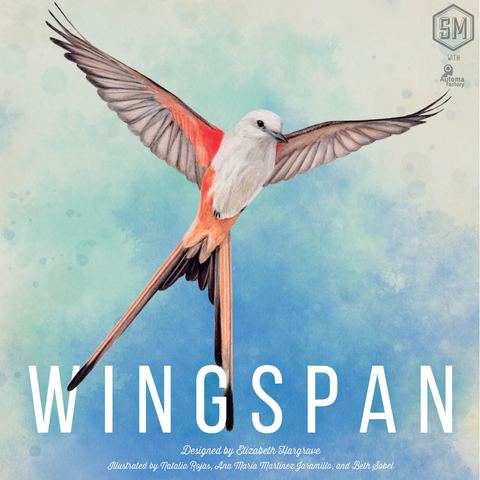
This works for the questions most likely to come up mid-game: setup, turn structure, scoring, card effects, timing and specific interactions. For a game like Wingspan, where card interactions across multiple expansions create genuine edge cases, getting an answer grounded in the actual rulebook source is more useful than a phone search.
The limitations are important to state clearly. Rodney covers an expanding corpus of games whose exact rulebooks have completed review — not every game is supported. It can be wrong. The publisher’s current official ruling and any published errata always take precedence over any generated answer. It is a practical mid-session tool, not a replacement for knowing the rules beforehand or consulting the publisher’s FAQ when precision matters.
You can open Rodney from any page or go directly to /rules once you are signed in.
The decision that costs nothing
The most practical step happens before the first card is drawn. Agreeing in advance how the table handles rules questions — lookup or house rule; how long is reasonable before moving on — removes one category of mid-session friction entirely. Groups that play together regularly have usually resolved this implicitly. A group playing together for the first time has not.
Asking before setup is the same principle that applies to time honesty and other expectations before a game: the information is useful when it can still change the plan.
The tool matters less than the habit. Games with many interacting effects, like Gloomhaven or Wingspan, will generate more questions over a long session; having an agreed path before the first question comes up is worth more than finding the right answer quickly when it does.
The questions most likely to come up
Not every rules question stops a session equally. Setup questions — how many starting cards per player, which side of a starting tile — can usually be resolved in seconds if the rulebook is at hand, or safely deferred until they affect a decision.
The questions that genuinely interrupt play tend to fall into four categories.
Turn-sequence questions arise when players are uncertain about ordering: can both actions happen in the same turn, and in what order? They are most common in the first few rounds as players internalise the rhythm, and become rarer once the sequence is established.
Card-effect questions arise when a specific card or tile appears to conflict with a general rule. For games with large card pools — Wingspan’s 170 unique bird cards, or Gloomhaven’s ability decks — these do not decrease with experience. Players encounter more of the card pool over time, and new combinations continue to arise even in groups that have played many sessions.
Timing questions surface when two effects try to apply at the same moment. Most games address this with an explicit priority rule; finding and applying it under time pressure is harder than reading it at a desk.
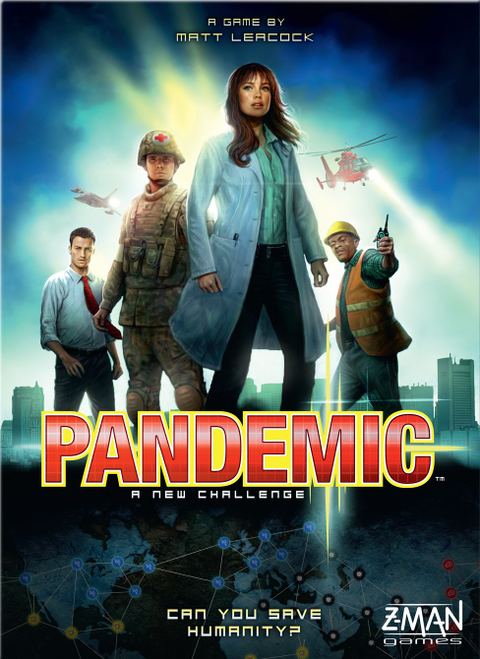
Interaction questions require applying two separate rules together when neither, read alone, resolves the situation. They arise most often in games with multiple overlapping systems — a Pandemic round where an event card and an infection step overlap, or a Gloomhaven scenario where persistent abilities combine with status effects mid-combat.
Rodney handles all four categories for supported games. Sign in at /rules, choose the game you are playing, and ask the question the same way you would ask someone who had read the rulebook beforehand.
If the group chooses the rules-tool route, the useful habit is to ask one narrow, complete question rather than paste the whole dispute into the chat. The companion guide, how to use a board game rules bot during play, gives a short workflow for choosing the game, describing the state, checking any available page citation and continuing with a follow-up.
The games
Every entry links to its full catalogue record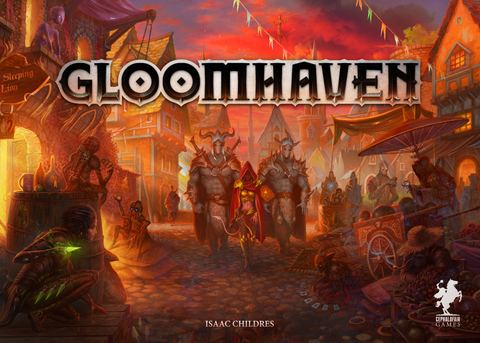

How do you handle a rules question during a board game?
Four ways groups handle a mid-game rules question — rulebook, phone, house rule, or a verified-source tool — and what each one actually costs.
Ask Rodney about your gameResearch sources
Accessed and checked individuallyAccessed 30 August 2026
Research on rulebook design finds that documents serving both a first-time orientation and mid-session quick lookup — goals in tension — bury specific rulings behind general explanation. Establishes why rulebooks are slow to navigate during play.
Accessed 30 August 2026
Research on hobby boardgaming identifies social connection as the primary motivation for play. Used here to establish the social cost when a mid-game rules dispute goes unresolved or is settled unfairly.
- Community discussionr/boardgames: What are your unwritten rules/social norms of board gaming?
Accessed 30 August 2026
Participants identify an unresolved or contested rules question as a recurring source of table friction. These are participant reports, not a representative survey.
More guides
- Buying guideBoard games past the gateway stageSix board games for groups that have enjoyed Ticket to Ride or Catan and want more strategic depth. Player counts, teach times, and fit notes for each.
- ReviewsBlood Rage, according to the people who played itFive reviewers praise Blood Rage's miniatures and card-driven combat, but split on expansion pricing, a figurine design, and whether one card distorts the game.
- Table cultureThe rule you have been getting wrongHow common rule errors stay hidden in popular games, why they rarely surface until someone checks, and what to do when you find one mid-session.