
Games you will definitely play someday
Every collection has games that will definitely be played. The conditions are always almost right — the evening needs to be long enough, the group exactly the right size, and everyone needs to be in a specific mood. The community calls this the pile of shame. It is better described as a scheduling problem.
The game on your shelf that you are definitely going to play is almost certainly still there. The conditions are never quite wrong. The evening just needed to be longer, or the group needed that specific fifth player, or everyone needed to have read the rules first.
The board game community calls the accumulated result the pile of shame. It is an accurate description, and a less useful one than it should be.
What goes into it
Unplayed games cluster into recognisable types.
The aspirational campaign game. Gloomhaven is the example everyone reaches for because it is everyone’s example. It requires a dedicated group, multiple sessions of ninety minutes or more, someone to manage the campaign state between meetings, and enough mutual commitment to reconvene across weeks. Each of these conditions is individually reasonable. Together, they describe an evening that most groups manage occasionally rather than reliably. The campaign box sits on the shelf as evidence of optimism about scheduling, which is not the same thing as scheduling.
The wrong-player-count game. A party game or social deduction game bought for the evening when the whole group arrives. The whole group arrives at the right count perhaps twice a year. The rest of the time, the game waits as a useful reminder of how many people you theoretically know.
The impulse review buy. Every positive review describes a specific experience: a specific group, with a specific teacher, at a specific point in everyone’s familiarity with the genre. The review was honest; the experience was real. It was also not transferable to your table in your current moment. The gap between “this looks great” and “this works for us” has launched many piles.
The almost-ready game. Not too complex — just slightly above where the group currently sits. Permanently deferred to when there is more time, which means when the group is more experienced, which means when the conditions are finally right, which means indefinitely.
Why the pile grows
Research on collecting behaviour finds a consistent pattern: accumulation in collecting hobbies operates independently of use. The impulse that buying satisfies is not the same impulse that playing satisfies. A collector can genuinely enjoy a game, genuinely want the next one, and feel no particular urgency to move the previous one from the shelf to the table. The acquisition is its own event.
This is not a character flaw. Tabletop Games Blog identifies that owning games — the box art, the physical presence, the potential experience — is itself a form of engagement with the hobby. A shelf of well-chosen unplayed games is still a shelf someone assembled and curated. That is a coherent way to engage with a collection. The problem is not the pile itself; it is expecting the pile to shrink without addressing why it grew.
What the ratio actually tells you
Meeple Mountain’s analysis of games that are hardest to table identifies a consistent set of structural barriers: specific player count requirements, demanding teaches, long session commitments, and campaign games that need the same group to reconvene. These are logistics problems, not enthusiasm problems. The games in your aspirational pile are not there because you love them less than the games you play. They are there because their requirements are more fragile than your scheduling reality.
If the aspirational section of your shelf has grown steadily over three years, that is evidence about your current gaming group rather than your potential one. The group you buy for and the group you can reliably assemble are useful things to see clearly.
Setting actual conditions helps. “We will play this when four people commit to at least four sessions” is a constraint that can be satisfied or not satisfied. “We will play it when the timing is right” will never be satisfied, because timing does not become right on its own.
The working library of a collection — the games that actually reach the table — tells you something real about your group’s preferences, availability and appetite. The aspirational pile tells you something different: what your group wishes it could be on a game night. Both are legitimate. Knowing which pile something belongs to is more useful than feeling bad about the size of either.
The collection tracker at /collection shows your owned and played records across the catalogue. The ratio between them is not a verdict on your worth as a board gamer. It is a description of where the aspirational pile ends and the working library begins.
For those aspiring to actually get a heavier game to the table, how to build a board game collection covers choosing games for your actual group rather than the group in the review.
The games
Every entry links to its full catalogue record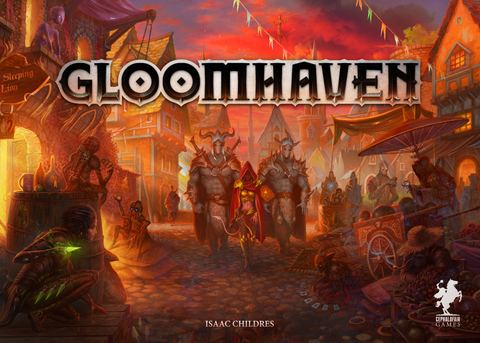

Why do so many board games never get played?
The aspirational heavy, the wrong-player-count game, the impulse buy — a taxonomy of unplayed board games and what the ratio tells you.
Open your collectionResearch sources
Accessed and checked individuallyAccessed 29 September 2026
Systematic review of collecting research. Used for the finding that accumulation behaviour in collecting operates independently of use — acquiring games can satisfy a collecting impulse that playing does not and does not need to.
- Community discussionTabletop Games Blog: Single-Use Games — the board game hobby's throw-away attitude
Accessed 29 September 2026
Community analysis of games that are played once or twice and shelved. Identifies the display and ownership aspect of collecting as a genuine form of hobby engagement — owning the box and having it visible is itself part of the experience for many collectors.
- Community discussionMeeple Mountain: Top 6 Toughest Games to Get to the Table
Accessed 29 September 2026
Identifies the structural logistics barriers that keep games off the table — specific player count requirements, teaching complexity, session length, and campaign commitment across sessions. Even beloved games can permanently join the unplayed pile through logistics rather than lack of enthusiasm.
More guides
- Buying guideBoard games past the gateway stageSix board games for groups that have enjoyed Ticket to Ride or Catan and want more strategic depth. Player counts, teach times, and fit notes for each.
- ReviewsBlood Rage, according to the people who played itFive reviewers praise Blood Rage's miniatures and card-driven combat, but split on expansion pricing, a figurine design, and whether one card distorts the game.
- Table cultureThe rule you have been getting wrongHow common rule errors stay hidden in popular games, why they rarely surface until someone checks, and what to do when you find one mid-session.