
Reading another person's board game collection
You can spot a shelf full of campaign boxes or two-player games. You cannot tell how often they get played, why they were bought, or what their owner thinks of them. The fun is in asking, not diagnosing.
Someone else’s board game shelf can tell you which boxes are there and, with a catalogue check, what kinds of groups those games accommodate. It cannot tell you how often the games are played or why they were bought. A shelf is a good conversation starter and a poor personality test.
Count the boxes, then check the catalogue
A visible shelf shows titles, duplicates, expansions and storage choices. Its spines alone may not tell you the edition or whether a box is an expansion; use a catalogue record for listed player counts and mechanisms when you want to be precise. A game that seats six does not prove that six people gather at its owner’s home.
You can notice a run of cooperative titles, a compact two-player corner, or a large campaign box beside lighter games. Those patterns give you questions to ask: Which game comes out most often? Is the campaign underway? Is that second copy for a different edition? They do not supply the answers.
A review of 51 studies of consumer collecting found several motivations across collecting in general, including goals, social membership and memories. That research does not let us assign any one motivation to a board-game owner from a photograph of their shelves. Even the apparently straightforward count depends on what is included: base games, expansions, editions and small games tucked inside other boxes.
The campaign box is a question, not a verdict
It is tempting to spot a big campaign box such as Gloomhaven and narrate the owner’s calendar. The box tells you they own it. It cannot tell you whether they have finished the campaign, play it elsewhere, or enjoy having the option for a future group.
The public abstract of research on board-game play and parenting describes how those hobby players negotiated time, place and medium of play as family responsibilities changed. It identifies materiality alongside sociality, challenge and variety as dimensions of enjoyment. That is useful context for why a box can matter beyond a logged play, but the study does not measure how often collectors buy campaigns they cannot schedule.
One person in a board-game collection discussion says their shelf makes them look more interested in euro games than they are because they lack a stable group for campaigns. That is one person’s explanation of their own shelves. It is a reason to ask about the group before making the joke, not a finding about other owners.
Expansion optimism and the two-player corner
A stack of expansions is observable; an endorsement of the base game is an inference. The owner might play every module, collect the series, or still be waiting for a first session. Ask which addition actually gets used before treating the stack as a recommendation. The Kallax cube containing three expansions for an unopened base game may have excellent structural integrity and no play history at all.
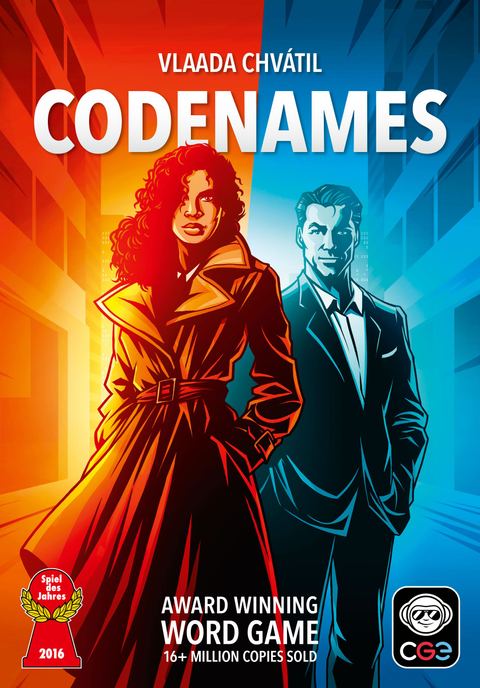
Likewise, a shelf with many two-player titles tells you the owner has acquired options for that player count. It does not prove that they have a regular partner or that they avoid larger groups. Codenames beside Wingspan reveals variety of boxes, not a schedule. One participant in the same collection discussion says they missed years of play logging and often omit short games; even an owner’s record may be incomplete.
Use your own records to test the story
If you want to compare purchases with actual use, record owned, played and wanted games in your private collection. The Almanac turns owned games into an arrangeable Kallax-style shelf and shows statistics based on the catalogue fields and plays you have recorded. This collection-tracking guide explains which records sync between web and iOS and which cube placements stay in one browser.
That personal view can reveal an owned-versus-played gap; it still cannot explain why a game sits unplayed. Ask the owner, or ask yourself. The shelf gets the conversation started, and the person gets to finish it.
The games
Every entry links to its full catalogue record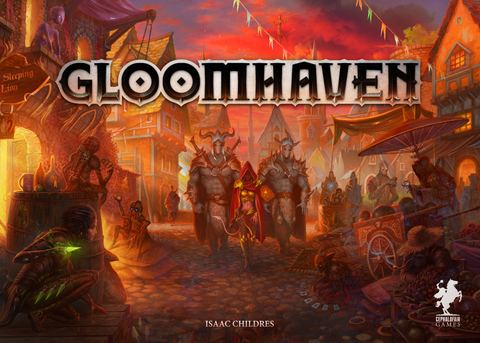

What can you tell from looking at someone else's board game collection?
A board game shelf reveals owned boxes, player-count options and expansion habits. It cannot reveal plays, motives or whether the owner enjoys a game.
Open your collectionResearch sources
Accessed and checked individuallyAccessed 6 October 2026
The public abstract describes an ethnographic study of hobby board gamers who are parents, including changes to play opportunities and the dimensions of sociality, intellectual challenge, variety and materiality. It does not measure collection size or buying motives.
Accessed 6 October 2026
The public abstract describes a review of 51 studies and six collecting motivations, including goals, social membership, memories, legacy and financial value. The research is about consumer collecting broadly, not a diagnostic test for board-game shelves.
- Community discussionr/boardgames: What does your collection say about you?
Accessed 6 October 2026
Some participants describe what a stranger might infer from their shelves; one says their euro-heavy shelf hides a lack of a stable campaign group, while another says they have not logged every play. These are self-reports, not a representative survey.
More guides
- Buying guideBoard games past the gateway stageSix board games for groups that have enjoyed Ticket to Ride or Catan and want more strategic depth. Player counts, teach times, and fit notes for each.
- ReviewsBlood Rage, according to the people who played itFive reviewers praise Blood Rage's miniatures and card-driven combat, but split on expansion pricing, a figurine design, and whether one card distorts the game.
- Table cultureThe rule you have been getting wrongHow common rule errors stay hidden in popular games, why they rarely surface until someone checks, and what to do when you find one mid-session.