
How to teach a board game
The person who owns a game is responsible for teaching it every time a new player sits down. A good teach covers the win condition and one full example turn before anything else — and has a plan ready for the questions that will come up mid-game anyway.
Teaching a board game well starts with two steps: cover the win condition and one full example turn, then stop. Everything else can wait until it comes up mid-game — and most of it will, in context, which is a better time to explain it anyway.
The person who owns the game and read the rules takes on that responsibility every time a new player sits down. Whether that was last night or six months ago, whether there are two players or eight, the teach happens before anyone else can ask where to start.
Start with the win condition and one full turn
A win condition focuses attention. Without it, rules feel like facts without a reason. With it, players can hear each instruction and immediately sense whether it matters to what they are trying to do.
A full example turn gives the abstract rules a sequence. Pick up a card, play it, refill from the display, next player. Most of what happens in any board game is some variation of that loop, repeated. Demonstrating the loop once is faster than listing every rule that governs it.
For Ticket to Ride, the complete teach is approximately six sentences: collect coloured train cards from the display, spend matching sets to claim routes on the map, complete your destination tickets by connecting those cities, the longest continuous route scores a ten-point bonus, the player who places their last train triggers the final round, highest score wins. That is all that needs to be said before anyone draws a first card. Everything else — what to do when someone claims a route you needed, when to draw more destination tickets — arrives naturally mid-game, at the moment it is relevant.
What to leave out
Edge cases, expansion interactions, strategic advice, and warnings about situations that have not happened yet.
Research on rulebook design finds that rulebooks try to serve two incompatible goals: a first-time sequential read and a mid-session reference for specific rulings. Neither goal is well served by the other’s structure, which is why rulebooks are hard to use as a teaching script. The teach is a third use case the document was not designed for.
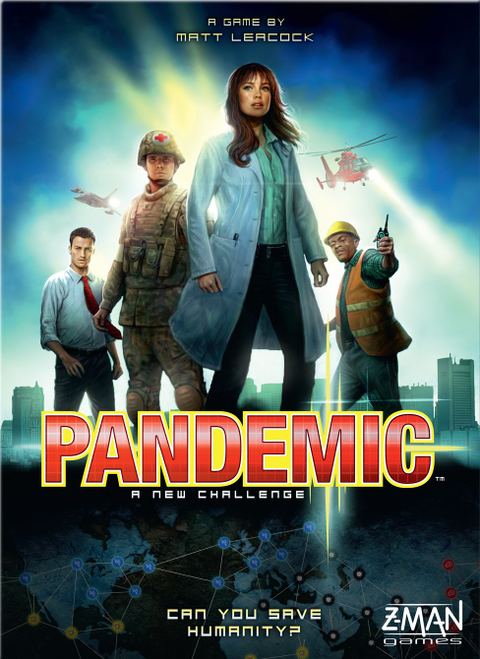
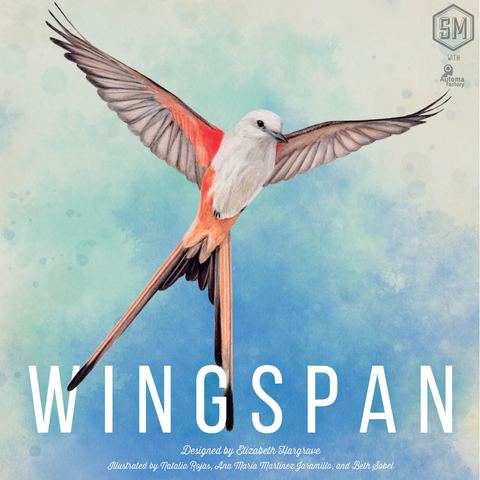
A warning about an edge case the table has not encountered yet is a memory burden, not useful information. Exceptions and side rules can wait until they arise mid-game, where they can be explained in context rather than in the abstract. Strategic depth — what cards to prioritise in Pandemic, how to plan a Wingspan engine — is something players develop through play; describing it in the teach adds length without improving the first session.
When the game uses a companion app
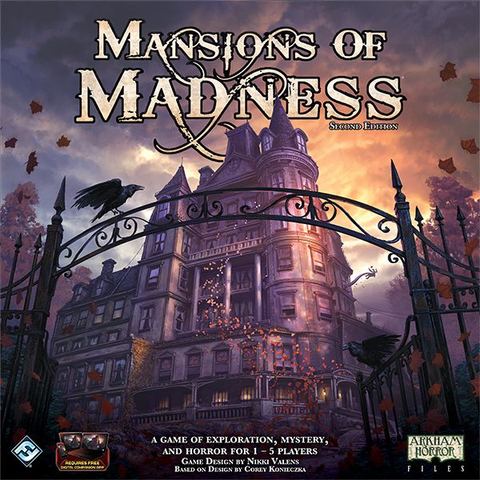
Some games handle most of their complexity through a required companion app. Mansions of Madness Second Edition is the clearest example: the app controls the mansion layout, monster behaviour and scenario narrative, all of which would otherwise require a dedicated game-master player. The physical teach covers investigator actions — how to move through rooms, resolve search results, read item and condition cards, roll combat dice — and almost nothing beyond that.
That is a meaningfully shorter teach than the box weight implies. Players encounter the scenario through the app rather than hearing it explained beforehand, which hands most of the orientation to the session itself. The app tells everyone what to do and when.
What the app does not cover is physical-component interaction: spell timing against monster abilities, condition stacking, item effects during combat. Those questions still arise mid-session, and they require consulting the physical rules rather than the app. The same pre-game agreement about how to handle a mid-game rules question applies here — agree before setup on the method, so resolving a physical-component question does not also require negotiating how to settle it.
Have an agreed plan for mid-game questions
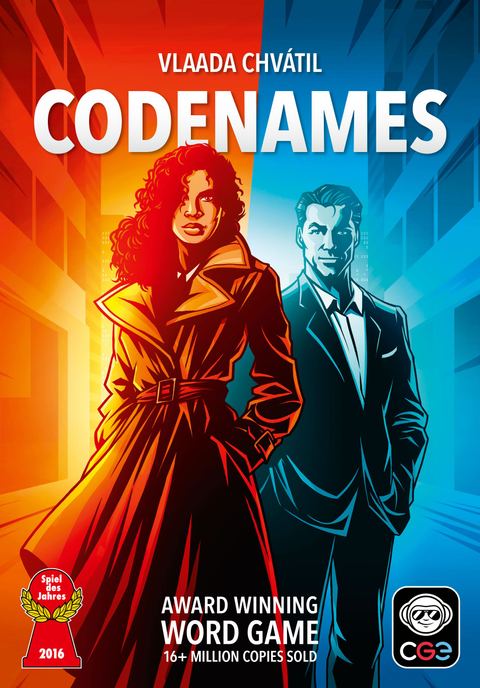
Mid-session questions are not a failure of the teach. Even a tight, complete teach of Codenames — which is genuinely short — leaves unanswered questions about what counts as a valid clue. For campaign games like Pandemic, where rule interactions compound across difficulty levels, or for Wingspan, where card effects across multiple bird decks create interactions no teach can fully anticipate, questions during play are inevitable regardless of how thorough the teach was.
Community norms around board gaming commonly include agreeing before setup on how to handle rules questions when they come up: look it up in the rulebook, agree to play it one way tonight, or use a source that answers from the reviewed rulebook directly. Having that agreement in place before the game starts means the question can be settled without also negotiating the method mid-dispute.
The options for handling a mid-game rules question — and what each one costs are worth thinking through before your next teach. If you want a direct answer from the reviewed rulebook without pausing to search, Rodney at /rules is there for setup, turns, scoring, card effects and timing questions on supported games.
The first game is part of the teach
Research on why people play board games identifies social connection as the primary motivation. A teach that goes badly — too long, too detailed, players uncertain before the first turn — damages that before anyone plays a card. A teach short enough to start the game protects it.
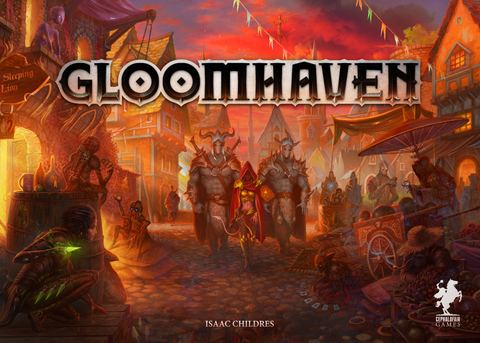
Codenames is fast enough that one round demonstrates more than ten minutes of explanation could. Gloomhaven ships a tutorial scenario because the game needs to be learned through a controlled first session, not a complete pre-game brief. Accepting that the first session teaches the game as much as the verbal explanation removes pressure from the teach itself.
After a game earns a second play
A game your group has played twice is a game they will play again. Tracking it in the collection — owned, played or wanted — is more useful than trying to remember the shelf; you know what the group can actually get to the table rather than what you intend to get to the table. Games that keep producing questions worth resolving are usually the ones that keep earning replays.
The games
Every entry links to its full catalogue record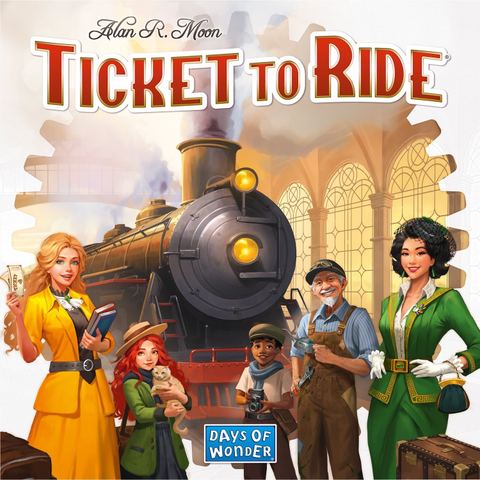
How do I explain a board game to people who haven't played it?
Cover the win condition and one full example turn, then stop. A teach that starts the game fast protects the evening better than one that tries to be complete.
Ask Rodney about your gameResearch sources
Accessed and checked individuallyAccessed 6 September 2026
Research on rulebook design finds that the same document tries to serve two incompatible goals — a first-time sequential orientation and a mid-session quick lookup. Neither goal is well served by the other's structure. The teach is a third use case the document was not written for.
Accessed 6 September 2026
Research on hobby boardgaming identifies social connection as the primary motivation for play. A teach that runs too long or leaves players confused before the first turn damages the social experience before the game begins.
- Community discussionr/boardgames: What are your unwritten rules/social norms of board gaming?
Accessed 6 September 2026
Participants describe agreeing on how to handle rules questions before the game starts as a recurring social norm. Cited here for the pattern of teach-time agreements around question handling. These are participant reports, not a representative survey.
More guides
- Buying guideBoard games past the gateway stageSix board games for groups that have enjoyed Ticket to Ride or Catan and want more strategic depth. Player counts, teach times, and fit notes for each.
- ReviewsBlood Rage, according to the people who played itFive reviewers praise Blood Rage's miniatures and card-driven combat, but split on expansion pricing, a figurine design, and whether one card distorts the game.
- Table cultureThe rule you have been getting wrongHow common rule errors stay hidden in popular games, why they rarely surface until someone checks, and what to do when you find one mid-session.