
Choosing what to play on game night
Most game nights produce the same decision problem before the first card is dealt: someone has a new game to pitch, someone wants to continue a campaign, and the group ends up playing something familiar because the teach takes twenty minutes.
The decision about what to play on game night often takes longer than it should, and the outcome is not always the game that would have been best for the evening. Someone has a new game they have been waiting to teach. Someone else would prefer to continue the campaign from three sessions ago. One person has eaten and wants to start immediately. The group ends up playing Codenames because Codenames takes twenty minutes to explain and has never caused an argument.
That outcome follows predictable social dynamics. Understanding them makes the decision go faster and, occasionally, a better game reaches the table.
The new game pitch
Most groups include someone who buys games regularly and has been waiting for an occasion to teach the most recent one. The pitch for Wingspan, or whatever the current acquisition is, follows a reliable structure: it is not that complicated, it only takes about thirty minutes to explain, and the first game is just practice anyway.
These are not necessarily false statements. They are also not the information the group needs to evaluate the evening they are being invited to spend. “Not that complicated compared to what” and “thirty minutes to teach, then how long to play” are the questions the pitch does not answer.
Community discussions about game-night norms identify a recurring dynamic: the person who bought the game is almost always the most enthusiastic to teach it, which creates a mild social pressure that has nothing to do with whether the game suits the evening. This is not a criticism — someone needs to be willing to teach, and new games do not teach themselves. But “what should we play tonight” and “what should we play tonight given that one person really wants to play X” are two different questions.
The known-favourite default
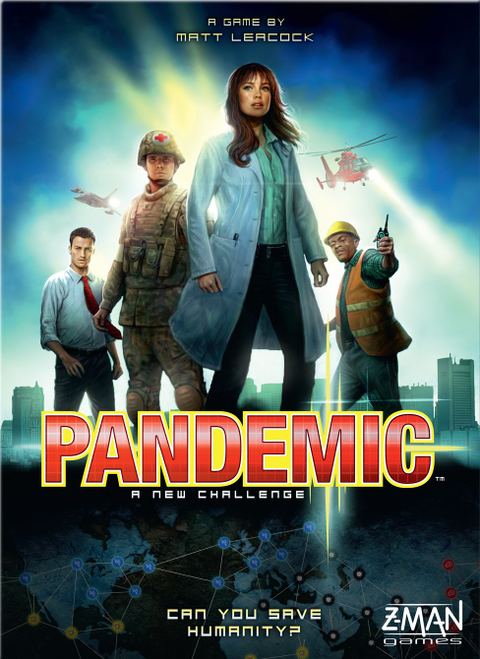
The alternative to the new game pitch is the known favourite. Most groups converge on a small repertoire — Pandemic, Codenames, two or three others — that require minimal setup negotiation: everyone knows the rules, nobody sits through a forty-minute teach, and the first round starts before the enthusiasm to play anything dissipates.
This default is practical, but it is self-reinforcing. Games that never become known favourites are the ones that were never taught well enough to become easy to suggest. A group that defaults to the same two games every time is often not choosing them because they prefer them. They are choosing them because those are the games that survive the selection process.
Research on hobby boardgaming identifies social connection as the central motivation for regular group play. A known favourite serves this efficiently: it requires no setup negotiation, the rules are already shared knowledge, and play begins quickly. Whether the group would prefer something more demanding — if only someone were willing to teach it — is a separate question that the known-favourite default quietly prevents from being asked.
The campaign that never starts
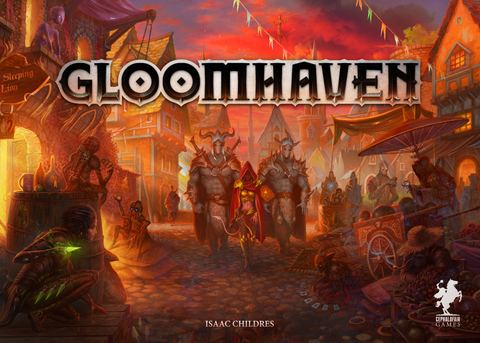
Every group with an aspiring campaign player also has a campaign game that has been in the collection longer than the teach time would justify. Gloomhaven is the standard example: a game that requires a genuine setup and learning investment that no casual evening can absorb, but which claims shelf space and generates measurable optimism through multiple seasons.
The barrier is rarely complexity. Groups that commit to a campaign work through more intricate rules than most single-session games require. The barrier is the decision cost. Starting a campaign requires collective agreement, a long-enough evening, and confidence that the group will continue. That alignment is harder to achieve than the teach itself, and the campaign returns to the shelf until it is not.
What pre-agreeing on a method costs
Participants describing their first game-night experiences identify one practical pattern that recurs: groups that pre-agree on a selection method avoid most of the negotiation friction. Whoever is hosting picks is one approach. Rotate whose turn it is to choose is another. A short list of two or three options, agreed before the evening begins, removes the need for an improvised consensus under time pressure.
These methods share a property: the decision is made before anyone has a stake in a particular answer. A rotation established when nobody is pitching Wingspan is easier to follow when somebody is pitching Wingspan.
Using what you can actually teach
The other factor is inventory. A collection of thirty games does not contain thirty games that are available to suggest on a given evening. It contains games that are currently unteachable because nobody has read the rules recently, games that have been taught but not recently enough for anyone to remember the setup cleanly, and games that are ready to go because someone knows them well enough to run a competent teach tonight.
The Board Game Almanac collection tracker records games as owned, played or wanted. The owned list covers what you have; the played status narrows it to what you have actually played and would recognise well enough to teach. That distinction is practical: the games you have played multiple times are the ones available to propose without preparation, and knowing which ones those are is faster than browsing the full shelf and assessing each box’s teach status from memory.
The question behind the question
The game-night selection problem is usually not about which game is best. It is about who is willing to teach something, how much learning time the group has, and what everyone can agree to without friction.
The known favourite wins not because it is better but because it costs nothing to decide. If the group wants to expand beyond the same two games, the useful question is not “what should we play tonight” but “who is going to learn this game well enough to teach it, and when is that preparation happening.”
The answer to that question determines which games ever leave the shelf.
If you want to see which of your owned games you have actually played — and which remain on the suggested-but-never-started list — the collection tracker records the distinction. How to track your board game collection explains the owned, played and wanted statuses, the profile’s available measures, and where to check each owned game’s player range.
The games
Every entry links to its full catalogue record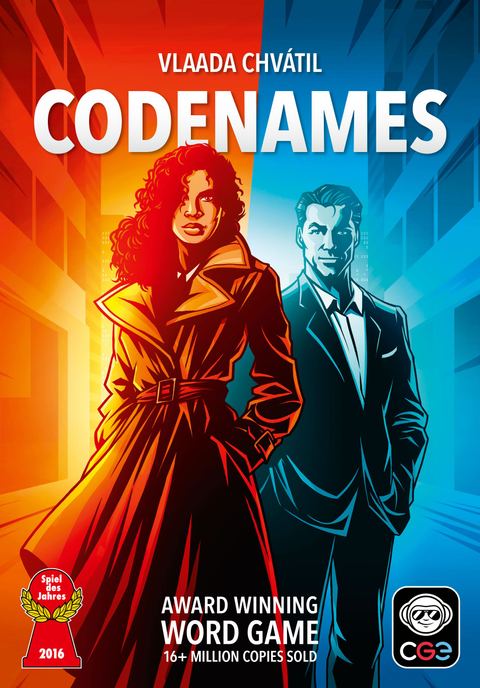

How do groups decide what to play on game night?
The social dynamics of picking a board game: who pitches the new one, what defaults emerge, and how knowing what you can teach helps.
Open your collectionResearch sources
Accessed and checked individuallyAccessed 19 September 2026
Research on hobby boardgaming identifies social connection as the primary motivation for regular group play. Scheduling and coordination challenges — assembling the same people, agreeing on a time, choosing a game — are part of the documented friction. Used here for the role social dynamics play in game selection.
- Community discussionReddit r/boardgames: What are the unwritten courtesy rules at game nights?
Accessed 19 September 2026
Community thread on game-night etiquette norms. Participants described recurring social dynamics around game selection, including pressure to play a host's new purchase and the path-of-least-resistance toward known games. Used here for reported community experience, not as a universal norm.
- Community discussionReddit r/boardgames: What should I know before attending my first game night?
Accessed 19 September 2026
Community thread on first-event etiquette. Participants described how groups handle game selection at unfamiliar gatherings and what helps the decision move faster. Used here for the practical norms that recur across participant accounts.
More guides
- Buying guideBoard games past the gateway stageSix board games for groups that have enjoyed Ticket to Ride or Catan and want more strategic depth. Player counts, teach times, and fit notes for each.
- ReviewsBlood Rage, according to the people who played itFive reviewers praise Blood Rage's miniatures and card-driven combat, but split on expansion pricing, a figurine design, and whether one card distorts the game.
- Table cultureThe rule you have been getting wrongHow common rule errors stay hidden in popular games, why they rarely surface until someone checks, and what to do when you find one mid-session.