
Board games for two players
Some games were built for exactly two people. Others support two players as a lower end of a larger range and scale well enough to be worth choosing. The difference shows up in how the mechanism uses the table.
Two people at a table is a specific constraint, and not every game that claims to support it was designed with that constraint in mind. Publisher-stated player counts record the minimum and maximum the rules are written to support; they do not say where the game is at its best, or whether the mechanism was built around one-versus-one tension or simply scaled down from a group design.
The games below fall into two categories: games that require exactly two players, and games that support two as a lower bound and work well enough at that count to be genuinely worth playing.
Designed for exactly two
These games were built around the two-person dynamic. The mechanism is not a group game with player counts removed — a version for three or more does not exist, or was released separately as a different product.
Sky Team is a cooperative game for exactly two players. One player is the pilot, the other the co-pilot. Both place dice simultaneously and in silence — the rules restrict conversation, so each player has to anticipate what the other is about to do without being allowed to say. The game is won or lost on landings. The publisher states 15–20 minutes and the game won the 2024 Spiel des Jahres, the jury award for the most accessible and broadly appealing game of its year.
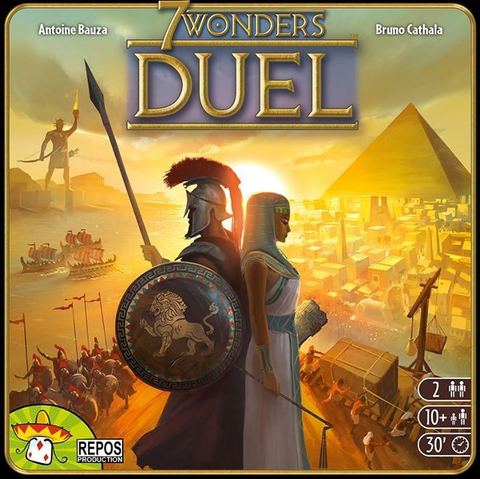
7 Wonders Duel is competitive. Players select cards from a shared layout that shifts with every pick, so taking what you need also determines what your opponent can reach. Three separate paths to victory — military, scientific, or by total points — create genuine decision pressure about which direction to build. The publisher states 30 minutes. The game was designed as a two-player experience, not adapted from the original 7 Wonders.
Games that scale to two
These titles list two players as their minimum. At two, the mechanism works across a narrower range of player counts, which for the right games produces a more focused experience rather than a diminished one.
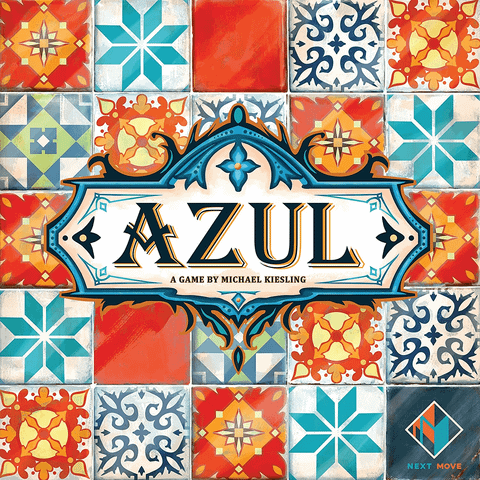
Azul places coloured tiles on individual walls, drafted from shared factory displays. At two players, the factories rotate more frequently and what you leave behind matters more — your opponent has the next pick, so passing tiles to the centre is a deliberate choice rather than a side effect of the number of players. The publisher states 30–45 minutes and the game plays 2–4.
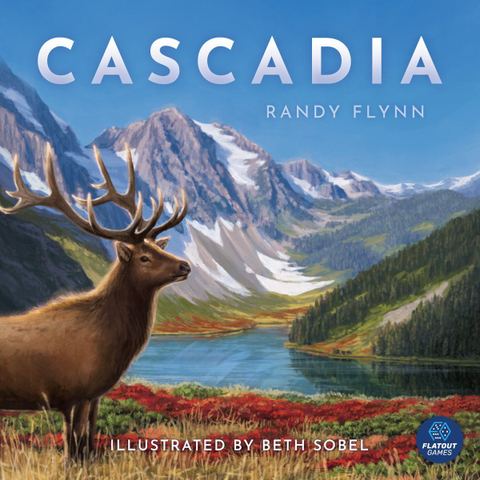
Cascadia places terrain tiles and wildlife tokens onto a personal landscape. Players build independently, so the competition is limited to a shared token supply rather than direct interference. At two, the game moves at a relaxed pace with fewer competing claims on that supply. The publisher lists it for 1–4 players and approximately 30–45 minutes.
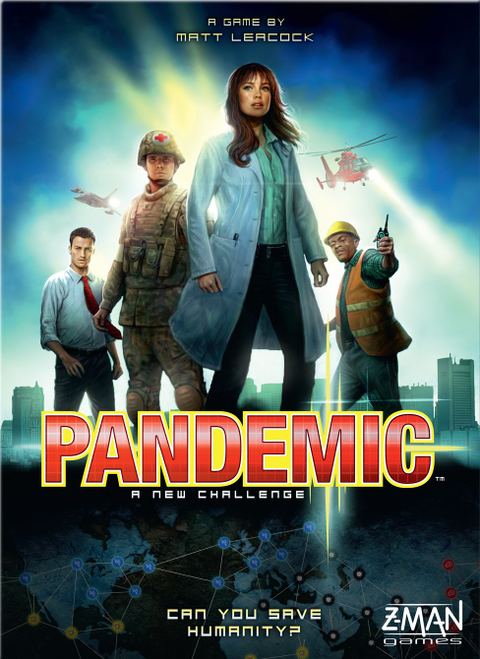
Pandemic cooperates two to four players against a disease spreading across a world map. At two, each player manages more roles than at four, taking more varied actions per round. The shared threat scales in difficulty rather than in player count. The publisher states approximately 45 minutes.
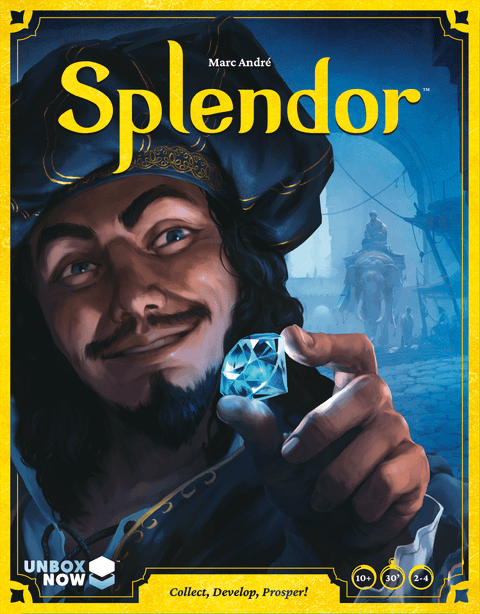
Splendor collects gems and spends them to buy development cards, which in turn reduce future costs. At two, turns alternate at a faster pace and the purchasing decisions are visible rather than obscured by multiple players. It plays 2–4. The publisher states 30 minutes.
The shelf problem it solves
A collection that only plays at three or more creates a specific kind of inventory: games you own that are not accessible on an evening with one other person. Games designed for two, or games that genuinely work at two, close that gap without requiring a third player to be found, transported and persuaded.
The distinction between “tolerates two” and “was designed for two” is worth knowing before you buy. Sky Team and 7 Wonders Duel have no group version to water down. Azul, Cascadia, Pandemic and Splendor function at higher counts too, but neither the teach nor the session shrinks to something unsatisfying at the lower end.
If you are tracking what you own and how often it reaches the table at two specifically, the Board Game Almanac collection tracker records games as owned, played or wanted and shows the gap between what you have and what you play.
For broader group situations — a family, a social group, a conflict-averse table — gateway board games by group covers five table situations with the reasoning shown for each.
The games
Every entry links to its full catalogue record
What board games work best with two players?
Which games were designed for exactly two people, and which scale well enough that two is still a worthwhile choice. Publisher-stated counts, honest fit notes.
Search the full catalogueMore guides
- Buying guideBoard games past the gateway stageSix board games for groups that have enjoyed Ticket to Ride or Catan and want more strategic depth. Player counts, teach times, and fit notes for each.
- ReviewsBlood Rage, according to the people who played itFive reviewers praise Blood Rage's miniatures and card-driven combat, but split on expansion pricing, a figurine design, and whether one card distorts the game.
- Table cultureThe rule you have been getting wrongHow common rule errors stay hidden in popular games, why they rarely surface until someone checks, and what to do when you find one mid-session.