
Board games for five or six players
When five or six people sit down to play, the options narrow fast. Most well-regarded modern games cap at four. Here are the titles that hold up at these counts, with what changes and why.
The most common friction with a group of five or six is discovering that the game you own caps at four. Azul, Pandemic, Lost Ruins of Arnak, Sky Team — the list of excellent modern games that simply stop at four is long. This is not a design flaw. More players in a turn-based game means more downtime between actions. Games built around precise card economies, paired competitive tension, or cooperative coordination around a single table have genuine reasons to hold the count at four.
At five and six, the games that hold up tend to share a structure: teams, simultaneous play, or enough distributed interaction to make the gaps between turns feel like part of the game rather than dead time.
Word and social games
Codenames plays with two teams of any size and works comfortably across a wide range. Each team’s Spymaster gives one-word clues linking multiple words on a shared grid; teammates try to identify their agents without touching the opponent’s or the assassin. The structure scales easily because both teams play in the same physical space and the team sizes are flexible. At five players, two teams of two and three play identically to the four-player version. At six, two even teams of three give every player an equal voice without overcrowding either side. The publisher lists it for four or more and around fifteen to thirty minutes.
Just One is cooperative and plays three to seven. Each player secretly writes a one-word hint for a mystery word; duplicate hints are cancelled before the guesser sees them, so the skill is writing a hint that is useful without being so obvious that others write the same thing. The cancellation rule works better with more writers — at five or six, the chance of useful collisions rises, which generates genuine group decisions about whether to risk a common hint or take a less useful but safer one. The publisher states about thirty minutes.
Deduction and mystery
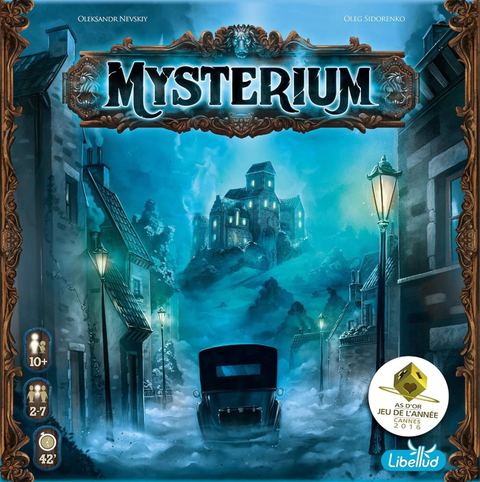
Mysterium plays two to seven. One player is a ghost communicating through abstract illustrated cards; the other players are psychic investigators interpreting the imagery to identify a suspect, location and weapon. The asymmetric structure gives everyone a defined role. At five or six investigators, the group collectively interprets the same dream cards each round, which makes the game more conversational — incorrect interpretations are a shared problem rather than a personal failure. The publisher states approximately forty-five minutes.
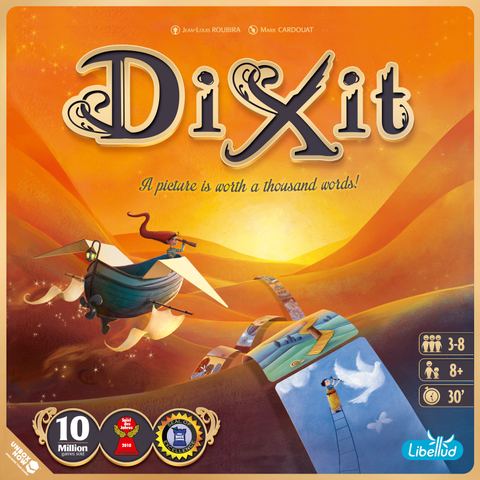
Dixit plays three to six. One player each round is the storyteller, giving a clue — a word, a phrase, a sound — for a card from their hand. All other players choose a card from their own hand that could match the clue; the candidates are shuffled together and revealed. Points go to players who guessed the storyteller’s card and to players whose cards successfully misdirected others. The scoring penalises extremes: if everyone identifies the storyteller’s card, or no one does, the storyteller scores nothing. At six players, the full range of misleading candidates makes each round’s reveal more uncertain and extends the game appropriately. The publisher lists it for three to six.
Games that reach five with caveats
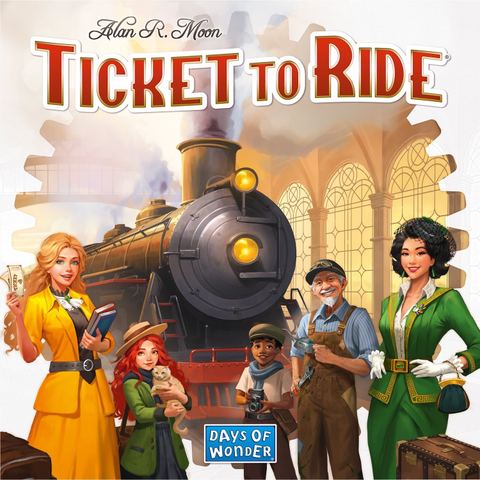
Ticket to Ride plays up to five. The added player makes the shared map more contested — routes that might stay available in a four-player game are claimed early, which pushes the game toward deliberate planning from the first turn rather than letting a strategy develop mid-game. That is not a worse experience, but it is a different one. Teach time and session length extend slightly at five, and the final rounds where last-minute blocking becomes possible arrive sooner. The publisher states thirty to sixty minutes.
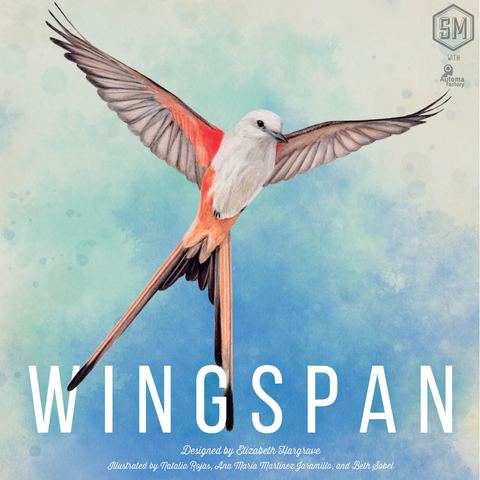
Wingspan plays up to five. The game is primarily individual engine-building — each player builds a habitat and activates it in sequence — with light interaction through shared bird and food supplies. At five players, turns come around less frequently, which extends the wait without adding more interaction. The experience at five is intact but meaningfully longer than at three or four. Groups familiar with the game tend to manage this better than groups still learning the engine.
Checking your collection’s player-count coverage
If you are unsure which owned games reach five or six, open the Board Game Almanac collection tracker and check the player range beside each title in your owned list. The profile does not count how many of your games fit a particular group size. For that decision, verify each game’s catalogue record against the people who are actually coming; the tracking guide explains the profile’s current measures.
For groups smaller than five, board games for two players covers games designed for a pair and games that scale down well, with notes on where the mechanism changes.
The games
Every entry links to its full catalogue record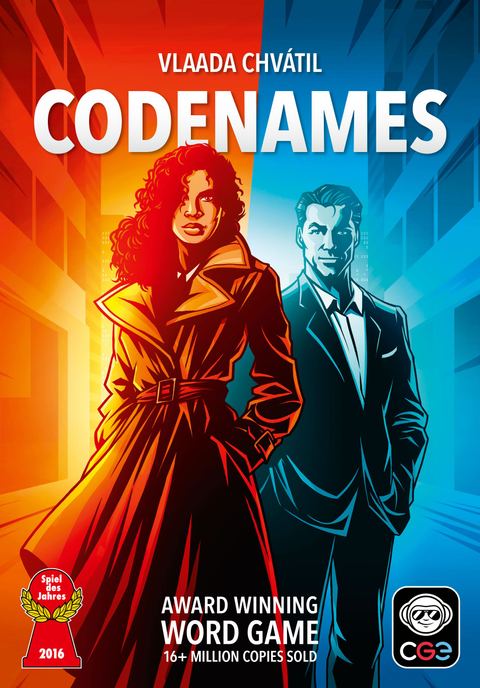

What board games work for 5 or 6 players?
Board games for five or six: most popular titles cap at four. Here are options that actually work at these counts, with what changes at each.
Search the full catalogueMore guides
- Buying guideBoard games past the gateway stageSix board games for groups that have enjoyed Ticket to Ride or Catan and want more strategic depth. Player counts, teach times, and fit notes for each.
- ReviewsBlood Rage, according to the people who played itFive reviewers praise Blood Rage's miniatures and card-driven combat, but split on expansion pricing, a figurine design, and whether one card distorts the game.
- Table cultureThe rule you have been getting wrongHow common rule errors stay hidden in popular games, why they rarely surface until someone checks, and what to do when you find one mid-session.