
What you actually sign up for when you teach the game
Teaching a board game is three jobs without a job description. Most game groups assign all of them to the person who owns the box and leave it there.
Teaching a board game means doing at least three distinct jobs at once: reading the rulebook, deciding what to leave out, and staying on call for every rules question that comes up after the game starts. Most groups assign all three to whoever owns the box.
The preparation before anyone sits down
Before the table fills, the teacher has already done work that nobody sees. They read the rulebook at least once — probably twice for anything above a basic introduction — formed a working model of how the game fits together, and identified which rules create confusion the first time someone encounters them in motion.
Research on rulebook design notes that rulebooks are built as complete reference documents (Kyoto University, 2024). They cover every conditional rule, edge case, and exception, organised in the order the game’s designer thought to include them rather than the order a new player will need them. Converting a reference document into a live explanation is interpretive work. The teacher is not reading aloud; they are restructuring the entire rules system for the people in front of them.
What gets left out on purpose
A good teacher skips things deliberately. Not because they do not know them, but because information given before context exists does not stay in anyone’s memory. “You score this card differently if you have achieved your main goal” means nothing in the abstract. It makes sense after the third round.
The teach is always a gamble on sequence: which rules are necessary before the first turn, which ones will make sense once play begins, and which ones can wait until the relevant situation comes up. The teacher makes that call for every person at the table simultaneously, with no information about which rules will land and which will not.
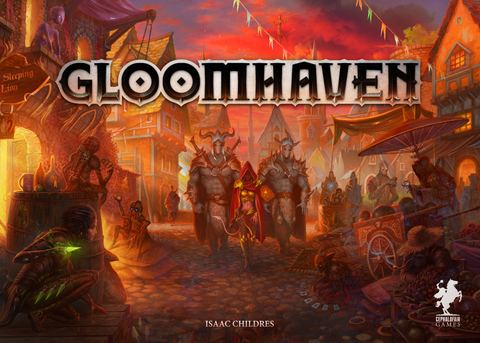
Codenames takes approximately three minutes to explain. Gloomhaven requires an hour or more before the table can start — and that teach includes character builds, scenario setup, and enough of the card economy to make the first move without immediately regretting it. Both depend on the teacher understanding that the job is entirely different in each case.
The mid-session arbitration role
The teach does not end when play begins. It relocates.
Every rules question that comes up during the game arrives as a new consultation with the person who delivered the original explanation. Community discussions of game-night etiquette note that unresolved rules questions mid-game are a recurring source of frustration, and the person who taught the game is almost always expected to resolve them (r/boardgames, 2021).
This is a different skill from the teach. The teach is forward-looking: it sequences information before anyone has context. Mid-game arbitration is forensic: it finds the relevant rule for a specific state of play that is already in progress, under time pressure, while everyone is waiting. A teacher who taught well but cannot immediately answer “does this card override that rule?” has not done anything wrong. They are now doing a different job.
What the group can do
The teacher can bring the preparation. The group can contribute some of the infrastructure.
Deciding in advance how rules disputes will be handled — check the rulebook together, refer to a rules tool, or make a temporary house ruling and verify it later — redistributes the social weight. Community threads on first-event game-night etiquette note that new players often do not realise they can participate in the rules-checking process; the default assumption is that the teacher handles it alone (r/boardgames, 2026).
For games it supports, Board Game Almanac’s Rodney can handle mid-game rules questions directly. Rodney answers from the selected game’s reviewed rulebook and saves the conversation privately, which means the teacher is not the only reference source for the whole session. A specific question about card resolution, scoring timing or a tricky interaction can be asked without anyone appointing themselves the rules arbiter on the spot.
What the teacher cannot guarantee
The teacher worked from a reference document that was not designed to be taught from. They distilled it with imperfect knowledge of what each person at the table needed first. They stayed on call for questions that the rulebook and the teach together could not fully anticipate.
When a mid-game ambiguity stumps them, that is not a preparation failure. It is what happens when a carefully documented game system meets a specific situation for the first time in a specific group. The teacher who says “I am not sure — let me check” is doing the job correctly.
If you are the one teaching next time, the practical side of what to cover and when to start play is in the how to teach a board game guide. If rules questions are already stopping your sessions, Rodney handles those mid-game so you do not have to.
The games
Every entry links to its full catalogue record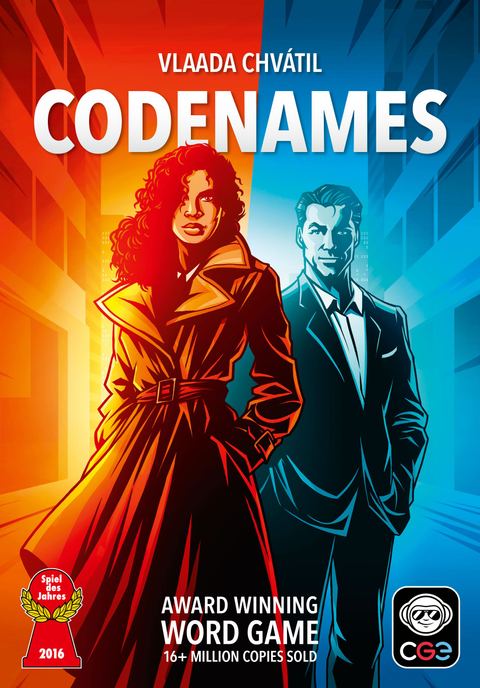
Why is teaching a board game so hard?
Teaching a board game means preparation, selective explanation, and mid-game arbitration — all unpaid, usually unasked, and always expected to be accurate.
Ask Rodney about your gameResearch sources
Accessed and checked individuallyAccessed 18 September 2026
Academic paper on board-game rulebook design — what structural and language choices make rules easier or harder to follow. Used here for the distinction between a rulebook as reference document and a rulebook as teaching script.
- Community discussionReddit r/boardgames: What are the unwritten courtesy rules at game nights?
Accessed 18 September 2026
Community thread on game-night etiquette norms. Several participants described expectations around the rules-explanation role and what behaviour frustrates teachers. Used here for what the community reports as recurring friction, not as universal policy.
- Community discussionReddit r/boardgames: What should I know before attending my first game night?
Accessed 18 September 2026
Community thread on first-event etiquette. Participants described what new players should know or do, including how to interact with whoever is explaining the rules. Used here for reported community norms around sharing the reference work.
More guides
- Buying guideBoard games past the gateway stageSix board games for groups that have enjoyed Ticket to Ride or Catan and want more strategic depth. Player counts, teach times, and fit notes for each.
- ReviewsBlood Rage, according to the people who played itFive reviewers praise Blood Rage's miniatures and card-driven combat, but split on expansion pricing, a figurine design, and whether one card distorts the game.
- Table cultureThe rule you have been getting wrongHow common rule errors stay hidden in popular games, why they rarely surface until someone checks, and what to do when you find one mid-session.