
Games that finish in under 45 minutes
The time on the box is a guess — an optimistic one, tested on players who already know the rules. Every game here carries a publisher-stated runtime of 45 minutes or less. Your first session will probably run longer; later ones tend to land closer.
Every box carries a play time, and almost every one of them is optimistic. It describes a table that already knows the rules, never pauses to look anything up, and does not stop to argue. Most evenings are not that.
The publisher-stated time is still the most useful number to plan around. It reflects what the game is designed to take at a competent table, and gives you a stable baseline before adjusting for your group. The games below all carry a publisher-stated runtime of 45 minutes or less. Where relevant, the player count that produces the stated time is noted.
What actually affects how long a session runs
Rules familiarity is the biggest variable. A game your group has played five times will finish significantly faster than the same game on its first outing, regardless of what the box says. New-player teaches and first-game rule lookups can easily add 20 to 30 minutes to a stated 30-minute game.
Player count matters less than you might expect. A two-player game at 20 minutes usually stays near that figure because there is less waiting and less decision-making overhead. A four-player game takes longer partly because of that overhead — each player’s turn involves more context.
The quickest
Sky Team (publisher: 15 minutes) is cooperative and plays exactly two. Both players are pilots landing an aircraft, placing dice silently onto a shared cockpit dashboard without speaking. Sessions end decisively — either the plane lands or it does not — which is why most pairs play it at least twice in one sitting. The 15-minute figure holds reliably.
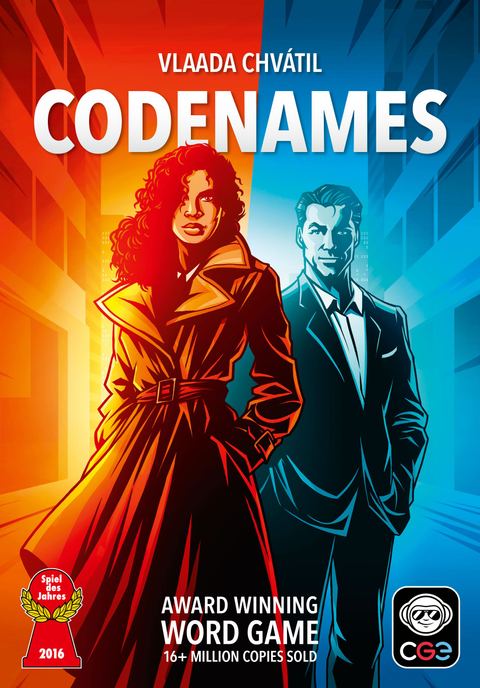
Codenames (publisher: 15 minutes) puts two teams in competition over a grid of word cards. A spotter from each team gives a one-word clue linking several cards; their team tries to identify the right agents without touching the assassin. The game plays fast and most groups find themselves immediately setting up a second round.
Just One (publisher: 20 minutes) is cooperative and plays up to seven. Each player secretly writes a one-word hint for the same mystery word; duplicates are cancelled before the guesser sees them. Knowing your group well enough to avoid the obvious hint is the whole skill, and it runs comfortably within its stated time.
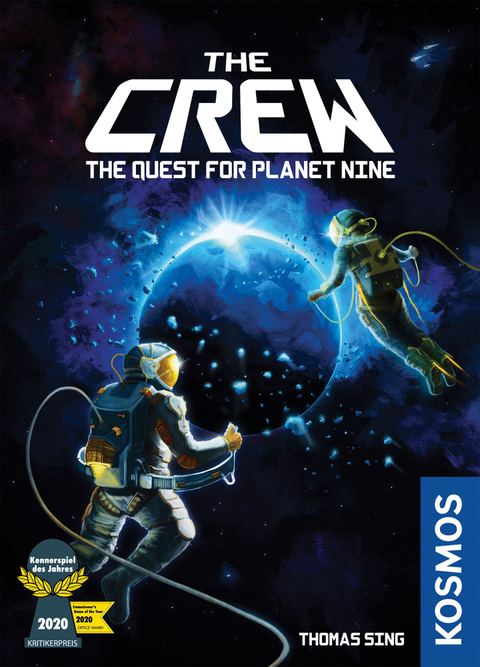
The Crew: The Quest for Planet Nine (publisher: 20 minutes) is a cooperative trick-taking game in which players try to complete missions — each mission dictating which player must win specific tricks. A single mission typically ends in 15 to 20 minutes. The game is a campaign of 50 escalating missions, so a short session is one or two missions at a time.
The middle of the range
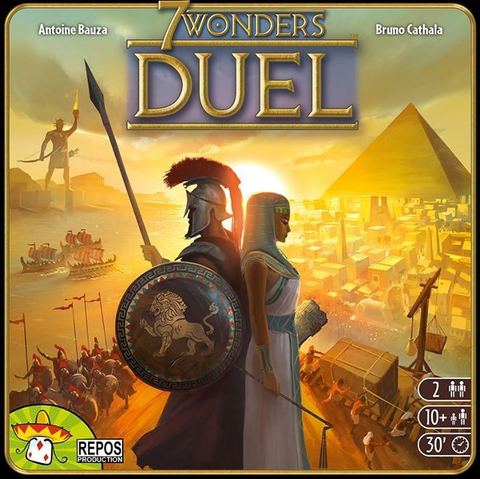
7 Wonders Duel (publisher: 30 minutes) is a two-player civilisation card game played across three ages. Players draft cards to build science, military and wonder tracks, with three different win conditions. The structure enforces a fixed endpoint and setup takes under five minutes, which makes multiple games in an evening practical.
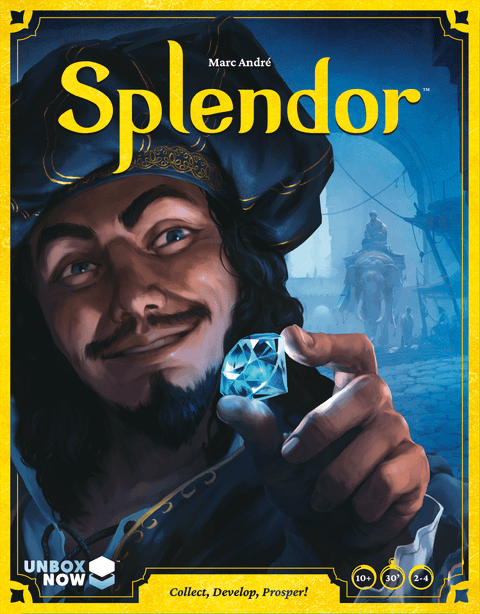
Splendor (publisher: 30 minutes) is a gem-and-card engine game that ends as soon as any player reaches 15 points and the current round completes. That hard end condition prevents stalling. The teach is approximately five minutes; the game plays 2–4 and holds near its stated time across player counts.
On the longer end of the window
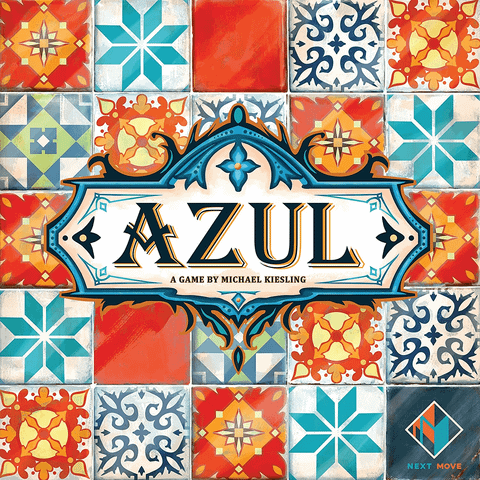
Azul (publisher: 45 minutes) has players drafting coloured resin tiles from shared factory displays and building individual decorative wall grids. The game ends when any player completes a full row on their wall — a clear stopping condition rather than a fixed number of rounds. It plays 2–4 players; the two-player version is the sharpest contest.
Cascadia (publisher: 30–45 minutes) has each player drafting terrain tiles and wildlife tokens and placing them on a personal landscape. There is no mechanism for players to directly interfere with each other’s boards, which removes the deliberation that blocking games invite and keeps sessions moving.
Welcome to the Moon (publisher: 30–45 minutes) is a flip-and-write game in which all players use the same two revealed cards each round. Players mark their personal scoresheets simultaneously, so there is almost no downtime between turns.
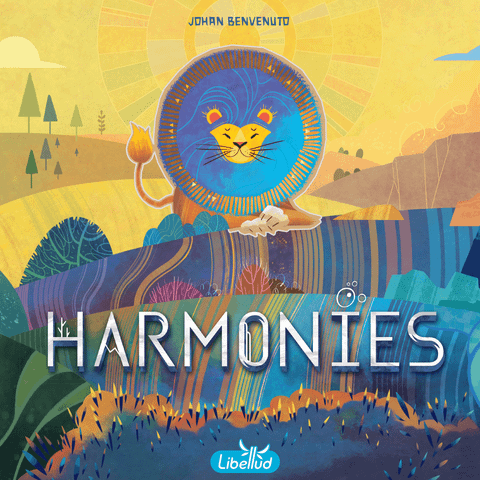
Harmonies (publisher: 30–45 minutes) has players placing animal and terrain tokens on a personal board, scoring when animals occupy matching habitats. Individual boards mean turns resolve quickly once players understand what they are building toward.
How to read this
Player count changes the answer significantly. Sky Team’s 15 minutes is exclusively at two players. Codenames and Just One work with large groups. Check the count on any game before assuming the stated time applies to your table.
The first session always runs longer. If the stated time is 30 minutes, plan for 45 on the first play. If the stated time is 45 minutes, plan for an hour. Once the rules are understood, most of these games reach their stated times consistently.
Adding played titles to the Board Game Almanac collection tracker lets you see which short games actually reach the table and which ones keep waiting for the fifteen-minute gap that does not arrive.
The games
Every entry links to its full catalogue record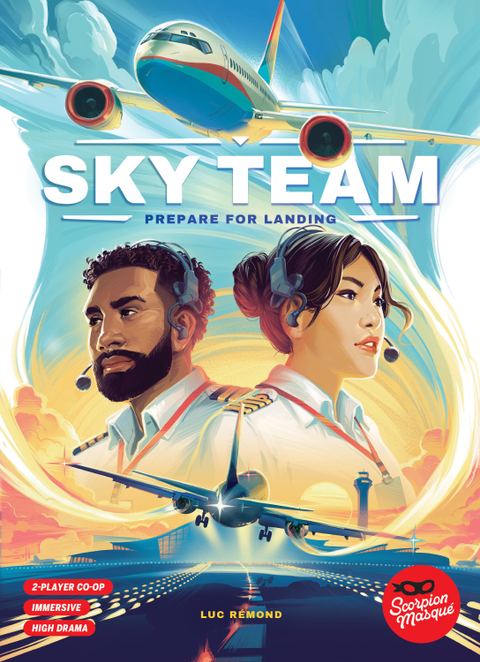



What board games can you finish in under an hour?
Ten games with publisher-stated runtimes of 45 minutes or less. For two players through large groups, and what actually affects session length.
Search the full catalogueMore guides
- Buying guideBoard games past the gateway stageSix board games for groups that have enjoyed Ticket to Ride or Catan and want more strategic depth. Player counts, teach times, and fit notes for each.
- ReviewsBlood Rage, according to the people who played itFive reviewers praise Blood Rage's miniatures and card-driven combat, but split on expansion pricing, a figurine design, and whether one card distorts the game.
- Table cultureThe rule you have been getting wrongHow common rule errors stay hidden in popular games, why they rarely surface until someone checks, and what to do when you find one mid-session.