
Before you buy a board game expansion
Most expansions are bought before their base games are fully explored. Knowing what to check first is usually enough to decide — and the answer is often "not yet."
Most expansions are bought before their base games are fully explored. The decision feels logical — you enjoy the game, the expansion adds more of it — but the actual question is whether you have played the base game enough to know what more of it means.
This is a separate question from whether an expansion is well-designed. Research on collecting behaviour finds that accumulation can sustain itself independently of use: the act of acquiring a new item can become part of the goal regardless of whether the previous item is being played. Board game expansions fit this pattern directly. Buying an expansion for a game you enjoy feels productive even when that expansion sits on the shelf for months.
The first question: play count
The most useful check before buying an expansion is not a review search. It is a question: has this game been played enough that you know specifically what you wish it had?
Not what you think you would enjoy — what you have noticed is absent through actual play. The two are different. “I’d probably enjoy more cards” is an assumption about variety. “We keep running into the same starting situations and it is affecting replay value” is an observation from play.
Community analysis of expansion design identifies this as the structural problem with expansions released as Kickstarter stretch goals alongside the base game: they cannot have been designed with knowledge of how the base actually plays at tables. They are built on assumptions. Some assumptions hold; many do not.
When an expansion is worth buying
Established play with noticed limits. Wingspan’s European and Oceania expansions arrived after the base game had been in wide circulation for over a year. Players who had completed many sessions with the existing bird cards had real observations about what variety they were looking for. That is a different starting position from a group that has played three times.
A specific identified problem. Some expansions correct something that bothers regular players. Meeple Mountain cites Viticulture’s Tuscany expansion as the model: it addresses a specific aspect of the base game, designed by people who understood how the base played, without obscuring what made the original work. The expansion is worth buying for groups that have noticed the specific thing it addresses.
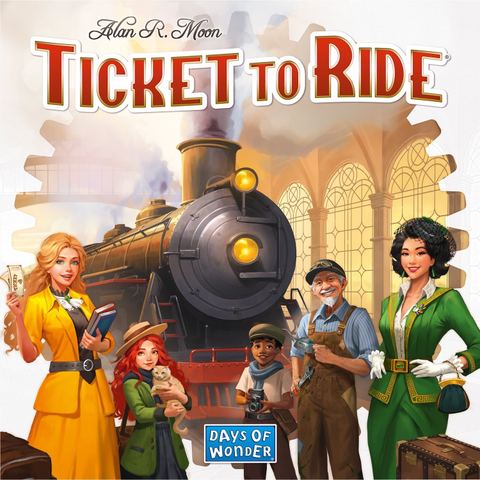
More of what you already know you like. Ticket to Ride’s map expansions add more instances of the same routing puzzle. They are not trying to fix anything. If a group genuinely enjoys the core routing mechanism and wants more map variety, another map delivers exactly that. This is a different proposition from an expansion that overlays a new system.
When the expansion should wait
The base game has had few plays. The most common situation. The game is enjoyable, the expansion looks appealing, and the purchase is made before anyone knows whether the base game will stay in regular rotation. Don’t Eat the Meeples draws the same distinction: the question is whether you need more from the base game or whether you simply want to explore further. Need comes from play. Want is always available before the first session.
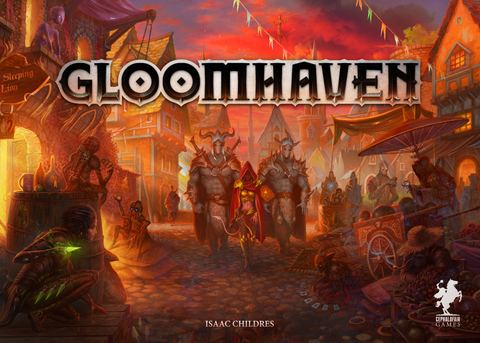
The expansion adds complexity to a game a group is still learning. An expansion that introduces new systems to Gloomhaven is designed for groups who have played the base game through enough scenarios to understand how the existing interactions work. A group still finding its way through basic card sequencing does not need more interactions.
Modular expansions with many untested combinations. When an expansion offers optional modules that can be mixed and matched, no one has tested all the combinations. Meeple Mountain flags this directly: buyers are paying for variety they will mostly not use, assembled from configurations no designer intended. Smaller, more focused additions work better than large modular systems.
Expansions adding player counts outside the design range. A game calibrated for two to four players is calibrated for those counts — turn pacing, interaction level and decision space all reflect them. An extra-player expansion changes the arithmetic without redesigning for it. For some games this holds well; for most it does not.
A different structure: standalones and sequels
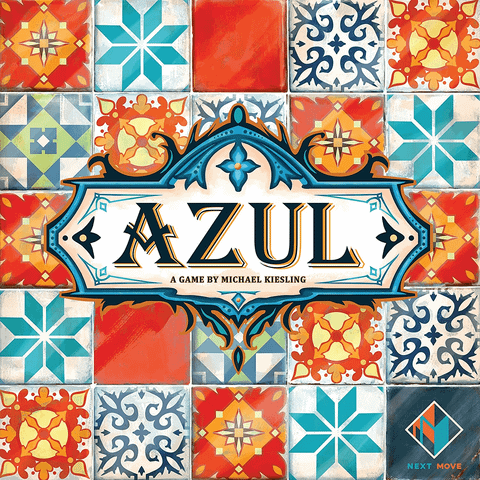
Azul has released sequels — Stained Glass of Sintra, Summer Pavilion — as standalone games rather than additive expansions. Each box is complete in itself, playable without the original. If a game uses this structure, each title can be evaluated on its own terms rather than as something built on top of something else. The question becomes whether you want to play this game, not whether it improves the game you already own.
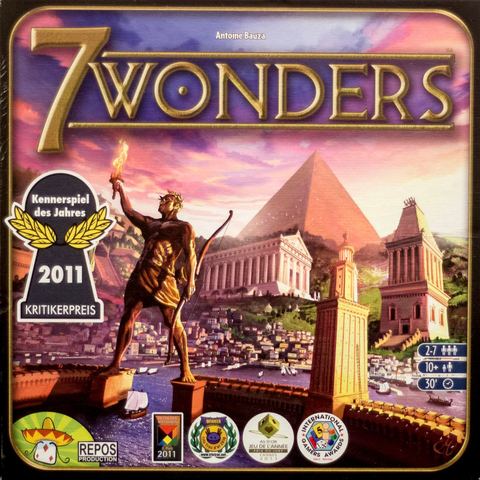
7 Wonders Duel was released as a standalone two-player game rather than an expansion to 7 Wonders. The separation was a design choice: the two-player version has a fundamentally different mechanism, not just a reduced player count.
The ratio to watch
The version of this problem that is hardest to see in the moment is expansion density: how many expansions you own compared to how many you have used in an actual session.
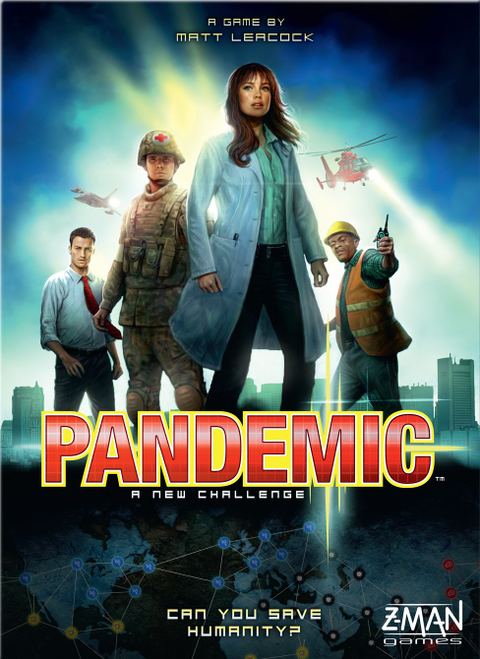
A collection where Pandemic, Ticket to Ride and Gloomhaven each have expansions that have never left their boxes says something about the gap between buying intent and playing habit. Not a judgement — an observable pattern worth knowing about. If the base games are regularly reaching the table, the expansions are a reasonable future investment for when the base games are thoroughly known. If the base games are also unplayed, adding more content is not the constraint.
Tracking owned against played makes this visible. The collection tracker records owned and played status separately, so the ratio becomes a number rather than a feeling.
The games
Every entry links to its full catalogue record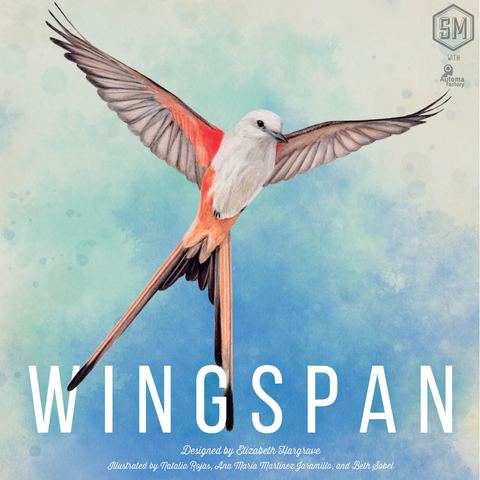
How do I know if a board game expansion is worth buying?
A buying guide for board game expansions — what makes one worth buying, and the situations where the base game still has more to give first.
Search the full catalogueResearch sources
Accessed and checked individually- ResearchInternational Journal of Consumer Studies: Consumer collecting behaviour: a systematic review
Accessed 23 September 2026
Systematic review of collecting research. Used for the finding that accumulation behaviour in collecting operates independently of use — acquiring can become its own goal even without using previous acquisitions.
- Community discussionMeeple Mountain: The 5 Red Flags of Board Game Expansions
Accessed 23 September 2026
Identifies five recurring problems with expansions — 5th/6th player additions, early Kickstarter releases, modular overloads, added complexity that obscures the base, and component replacement. Uses Viticulture's Tuscany expansion as a positive model of a well-designed expansion.
- Community discussionDon't Eat the Meeples: Finding the sweet spot for board game expansions
Accessed 23 September 2026
Distinguishes between needing more from a base game versus wanting to explore further; need comes from play. Finds that smaller, focused expansions that add variety without altering the core design work best.
More guides
- Buying guideBoard games past the gateway stageSix board games for groups that have enjoyed Ticket to Ride or Catan and want more strategic depth. Player counts, teach times, and fit notes for each.
- ReviewsBlood Rage, according to the people who played itFive reviewers praise Blood Rage's miniatures and card-driven combat, but split on expansion pricing, a figurine design, and whether one card distorts the game.
- Table cultureThe rule you have been getting wrongHow common rule errors stay hidden in popular games, why they rarely surface until someone checks, and what to do when you find one mid-session.