
The alpha player problem in cooperative board games
Every cooperative board game eventually meets the player who wants to help. At first it looks like strategy. By the third round it looks like someone else doing your turn. The community calls this quarterbacking, and it comes from game design as much as player personality.
Cooperative board games make one promise: you win or lose as a group. What that promise sometimes produces in practice is a slightly different arrangement, where one player’s decisions substitute for the group’s, and everyone else confirms them.
The community calls this quarterbacking. A more precise name would be unilateral cooperative play, but that phrase has never stopped a game.
What it looks like
The pattern has a recognizable shape. One player — usually the most experienced, or simply the most invested — starts the session by explaining the strategy for the round. By the third round, they are explaining the strategy for each player’s turn before that player has formed an intention.
The other players do not stop playing. They continue to roll, move, draw and place components. They do so in response to a directive rather than a decision. The game has not been played solo; it has been staffed.
Some versions of this are benign. A new player working through Pandemic benefits from guidance through the first two turns. The problem appears when guidance becomes instruction, and instruction continues past the point where it was useful.
Meeple Mountain’s analysis of the alpha player problem describes the typical quarterback as someone “wrapped up in the game” who “stops paying attention to the social elements around it” — not usually a controlling personality seeking dominance, but a strategic mind that has briefly forgotten other people are there.
Why the game often enables it
An academic study of the quarterbacking problem in cooperative games frames it as a design problem as much as a player problem. Drawing on Erving Goffman’s concept of interaction tension, the paper explains how a mismatch between expected cooperative play and actual guided execution causes disengagement. Players experience something close to acting rather than deciding.
Three design conditions make quarterbacking the path of least resistance:
- Perfect information. When everyone can see the whole game state, one player can assess it for everyone. Nothing prevents them from optimizing your turn.
- Low asymmetry. When each player’s options are similar, an experienced player can evaluate all of them simultaneously. No one needs your specific view to play your position.
- Slow pacing. Time pressure would interrupt the analysis loop. Without it, a full turn analysis is always possible.
Pandemic has all three. The disease state is visible to everyone, each player’s actions are drawn from the same pool, and turns proceed at conversation speed. It is not a game that accidentally invites quarterbacking; the conditions are structurally present.
What design does about it
Game designers have worked against these conditions directly.
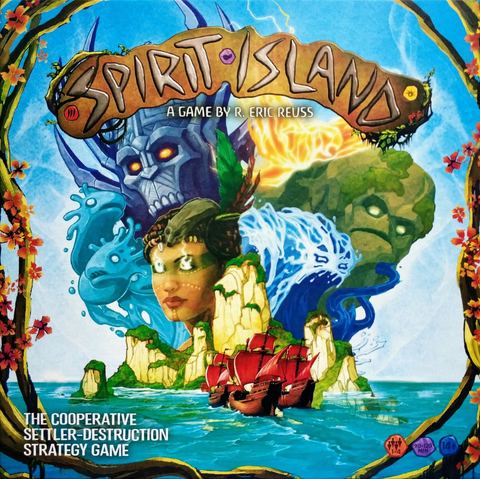
Spirit Island assigns each player a distinct spirit with unique powers and different optimal strategies. What your spirit needs this round may be wrong for someone else’s. The same player cannot hold an accurate view of everyone’s position simultaneously — you have to ask.
The Crew gives each player a private hand of cards that nobody else can see. Whatever analysis the most experienced player is running, it cannot account for your specific cards. Your turn requires your judgement, structurally.
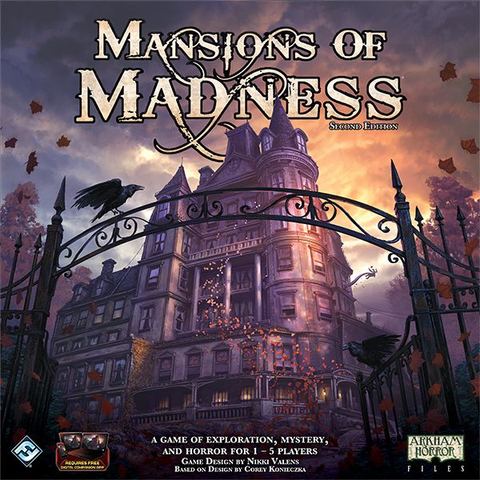
Mansions of Madness (second edition) uses an app to reveal scenario events during play. The quarter-by-quarter predictability that enables full-board planning is reduced; the experienced player cannot know what the next card reveals before everyone does.
Choosing games with these characteristics when your group includes someone who tends toward directing is a more reliable solution than expecting someone to play against their preferences for an evening.
What the group can do
There is a short answer: give everyone equal information before play begins, then let each player decide.
The practical version:
- Ensure everyone has read or heard the rules — not had them recounted by one person during play
- Agree during setup that suggestions are questions, not instructions (“have you considered X?” rather than “you should do X”)
- Choose games that mechanically enforce individual decision-making when the pattern keeps appearing
The last option is the most sustainable. Changing a game removes the structural condition; asking someone to monitor their own instincts in the middle of a session asks a lot.
Research on why people play board games identifies sociality — the experience of thinking and deciding with other people — as a core part of the hobby’s appeal. A quarterbacked session has company, but it has one person’s sociality. The rest of the table has technically been present.
If rules familiarity is part of the gap — one player knows the game well while others are still catching up — Rodney at /rules lets anyone ask a specific setup or turn question during the session without referring every ruling to the table’s resident expert.
For game recommendations that mechanically limit quarterbacking by design, Cooperative board games by group type covers formats with hidden information, asymmetric roles and app-driven events.
The games
Every entry links to its full catalogue record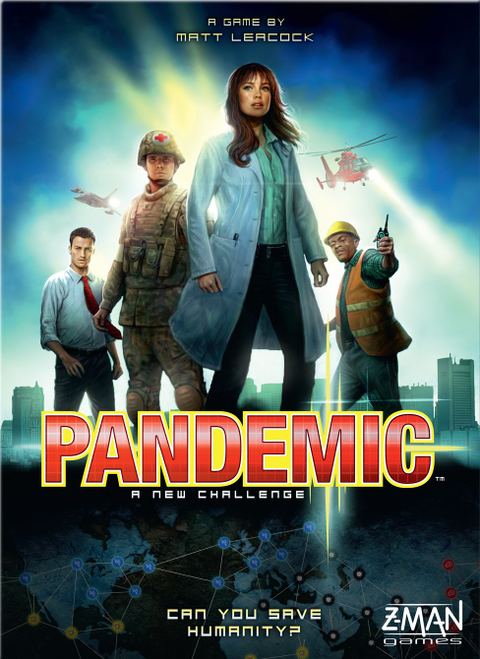

What do you do when one player controls everyone in a co-op game?
One player starts directing everyone's moves. The community calls it quarterbacking. Here's why it happens and what groups can do about it.
Search the full catalogueResearch sources
Accessed and checked individually- Community discussionMeeple Mountain: Benching the Quarterback — How to Deal with Alpha Players in Co-op Games
Accessed 28 September 2026
Analysis of alpha player and quarterbacking in co-op games. Identifies the dominant player as typically someone "wrapped up in the game" who stops attending to the social elements; provides player- and group-level strategies.
Accessed 28 September 2026
Frames quarterbacking primarily as a design problem. Draws on Goffman's interaction tension to explain disengagement when expected cooperative play is replaced by guided execution. Identifies perfect information, low asymmetry and slow pacing as enabling conditions.
Accessed 28 September 2026
Research identifying sociality as a core dimension of hobby board gaming. The experience of making decisions together is a specific motivation that quarterbacking undermines by substituting one player's judgement for the group's.
More guides
- Buying guideBoard games past the gateway stageSix board games for groups that have enjoyed Ticket to Ride or Catan and want more strategic depth. Player counts, teach times, and fit notes for each.
- ReviewsBlood Rage, according to the people who played itFive reviewers praise Blood Rage's miniatures and card-driven combat, but split on expansion pricing, a figurine design, and whether one card distorts the game.
- Table cultureThe rule you have been getting wrongHow common rule errors stay hidden in popular games, why they rarely surface until someone checks, and what to do when you find one mid-session.